

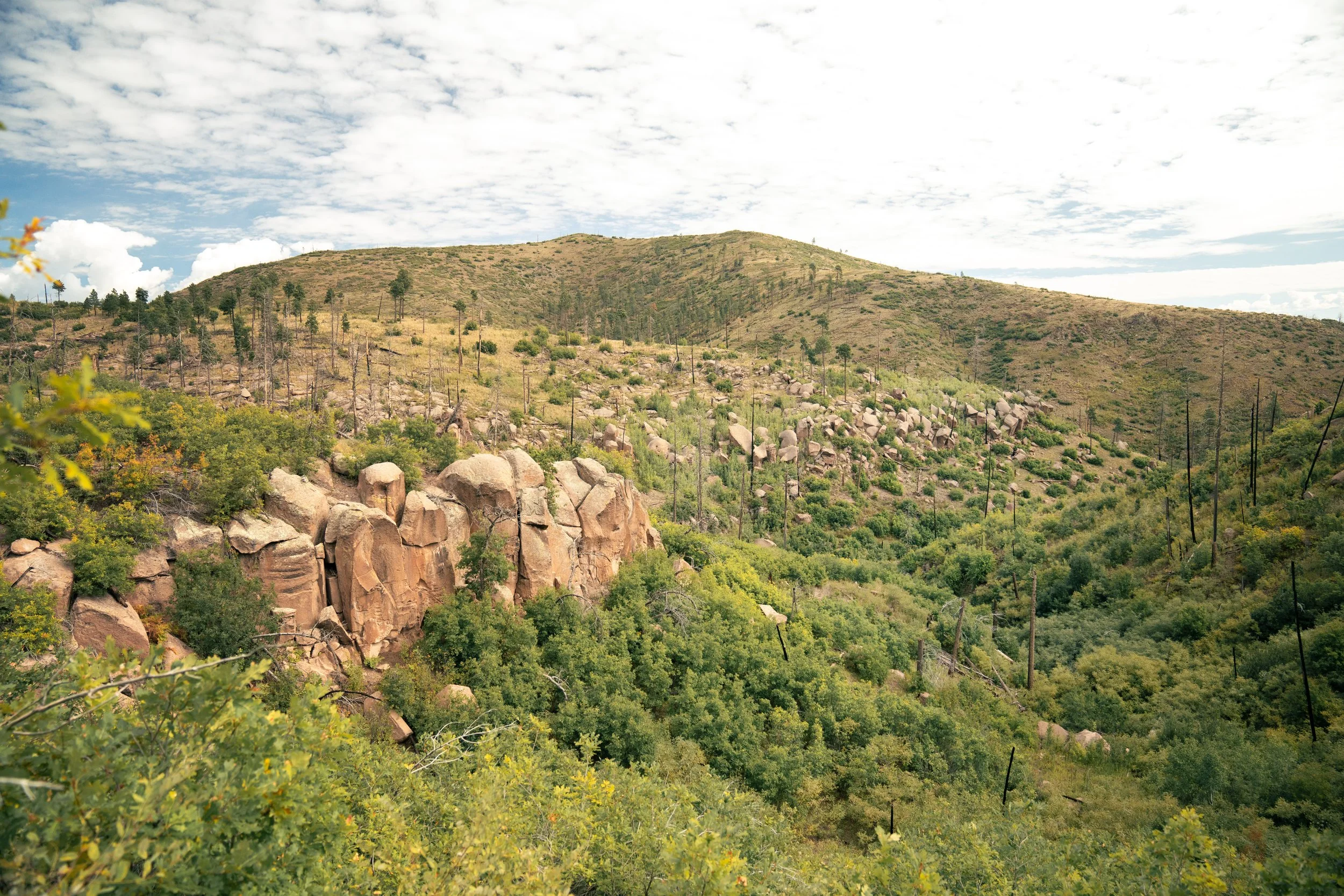

TWP’s Indigenous Lands Program builds the capacity of Native American Tribes in the Western U.S. to manage their natural resources.
By blending western science and Indigenous values, we aim to improve climate resilience and preserve cultural lifeways of Native Peoples throughout the Southwest.
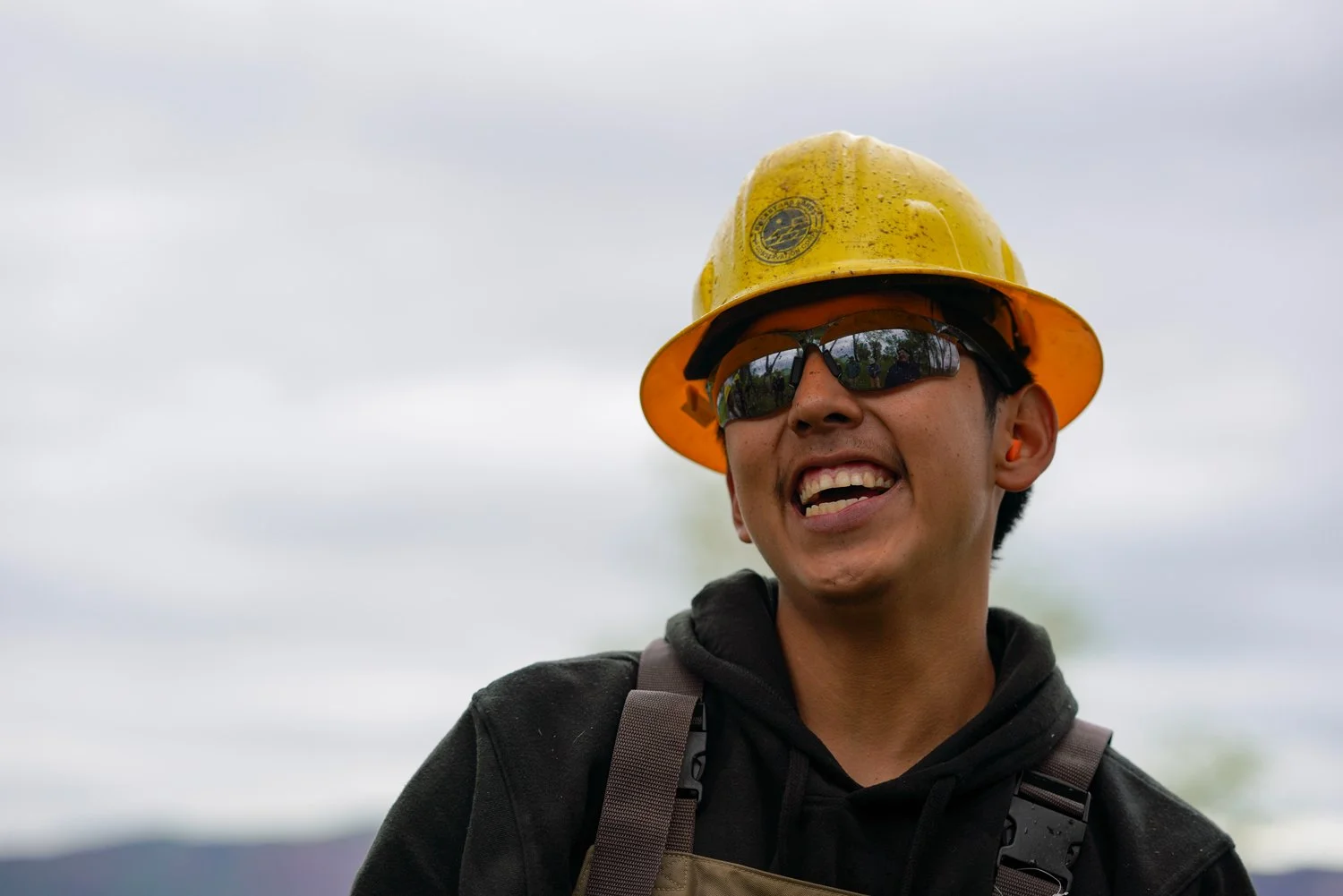
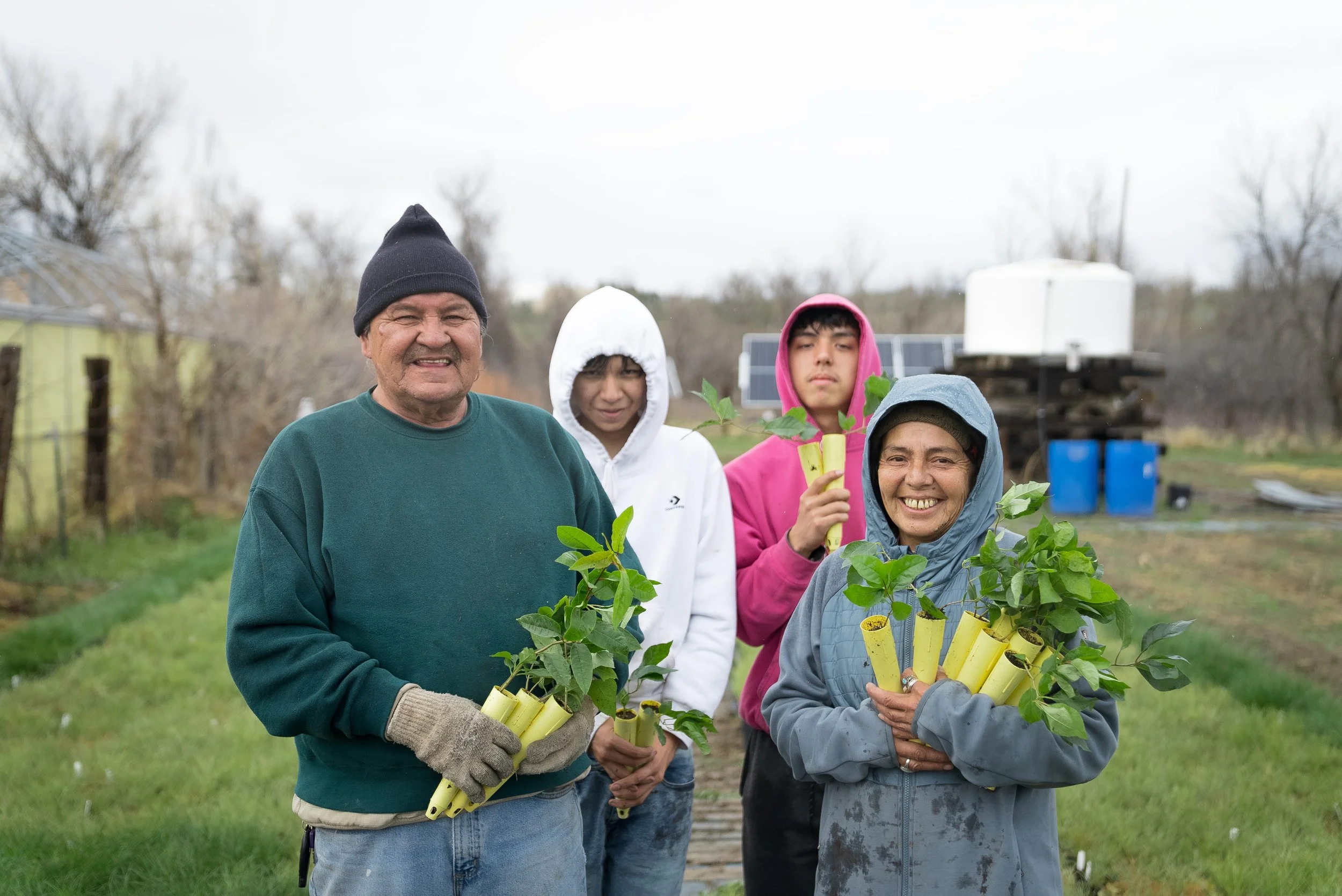
How You Can Contribute
We all have a responsibility to ensure the land stewarded for generations before us can be stewarded for generations after us.
For those of us who can not fulfill that responsibility directly, our role is to support those who do.
By making a donation to TWP, you support Indigenous communities across the region in stewarding the natural resources on which all of us – and those after us – depend.

 SUPPORT TWP TODAY
Why We Do It
Native communities are experiencing the direct effects of climate change across the most vulnerable regions of the U.S.
The climate crisis is affecting forest health, wildfire, water availability, soil quality, agriculture, and cultural resources.
We believe the leadership of Tribal and Indigenous communities, and the reintegration of traditional knowledge into land management, are the foundations of addressing these challenges.
How We Do It
Our approach is to center and empower Native Peoples in collaborative efforts to protect their landscapes and cultural values.
ILP’s engagement with Tribal partners is based on respecting Tribal sovereignty, building trust & reciprocity, and strengthening Tribal cultures and knowledge systems. ILP collaborates with Native Peoples through a holistic view of stewardship that is pro-Indigenous (for Indigenous people), para-Indigenous (with Indigenous people), and per-Indigenous (by Indigenous people).
We build equitable partnerships with Tribes: based on relationships, respect, and reciprocity through long-term processes.
We convene resources and expertise for Tribal initiatives: by helping Tribal partners raise funds, plan and design project activities, and interact with agencies, funders, consultants and other stakeholders.
We support capacity-building for Tribal natural resources departments and organizations: by hosting workshops focused on grant writing, project management, monitoring and evaluation, data collection and reporting.
We support the inter-generational and cross-cultural transmission of Indigenous stewardship values and knowledge: through national networks and convenings, engagement with cultural programs and schools, and employment of Native youth in natural resources fields.

Current Partners and Projects
Current Partners and Projects
New Mexico
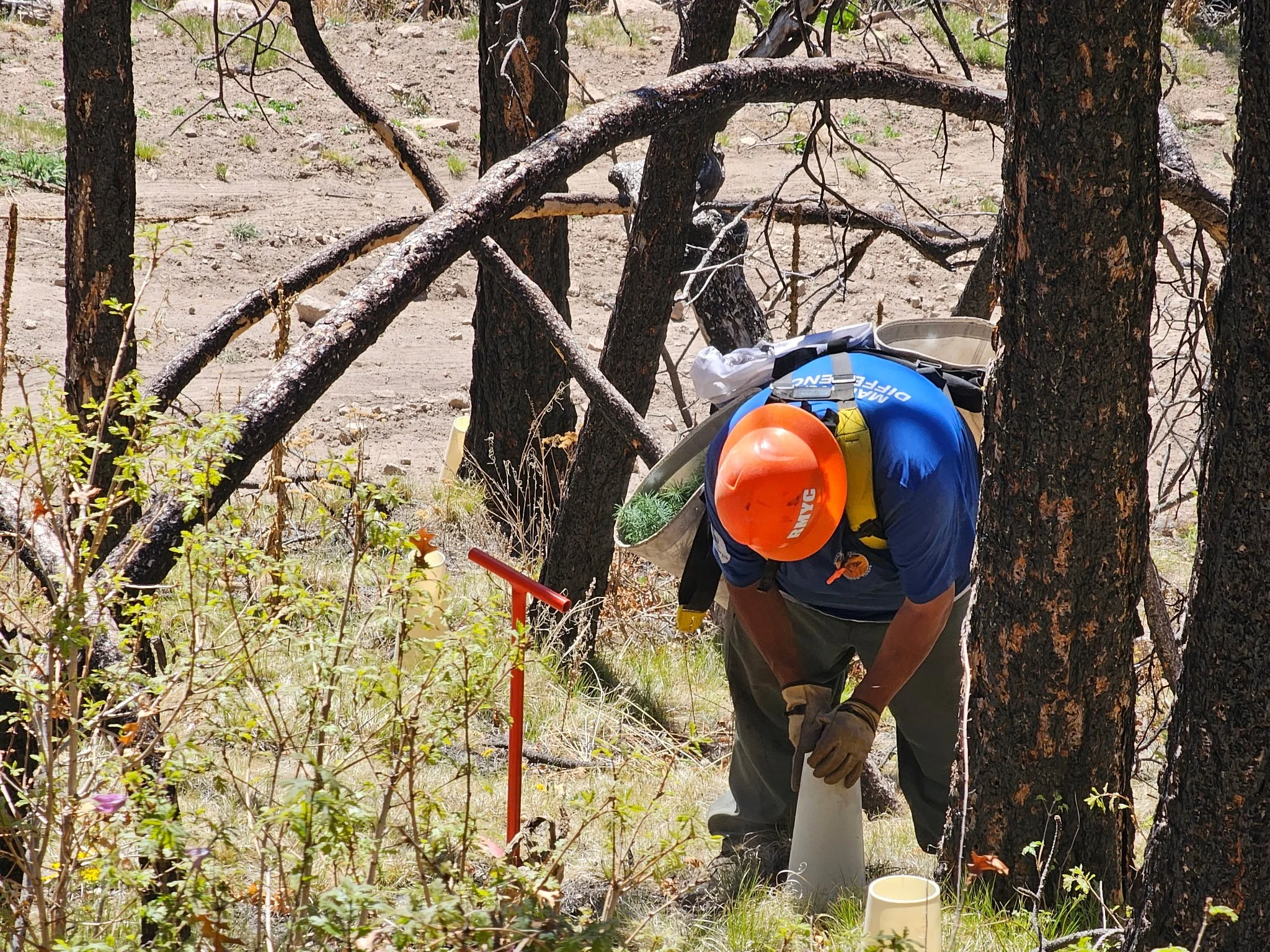
Tri-Pueblo Coalition: TWP has collaborated for nearly a decade with the Pueblos of Cochiti, Santo Domingo, and Jemez, who now form the Tri-Pueblo Coalition. Our support has focused on post-fire recovery, reforestation, and watershed restoration in the Jemez mountains, facilitated by historic agreements that support Indigenous co-stewardship of ancestral lands.
Southern Colorado
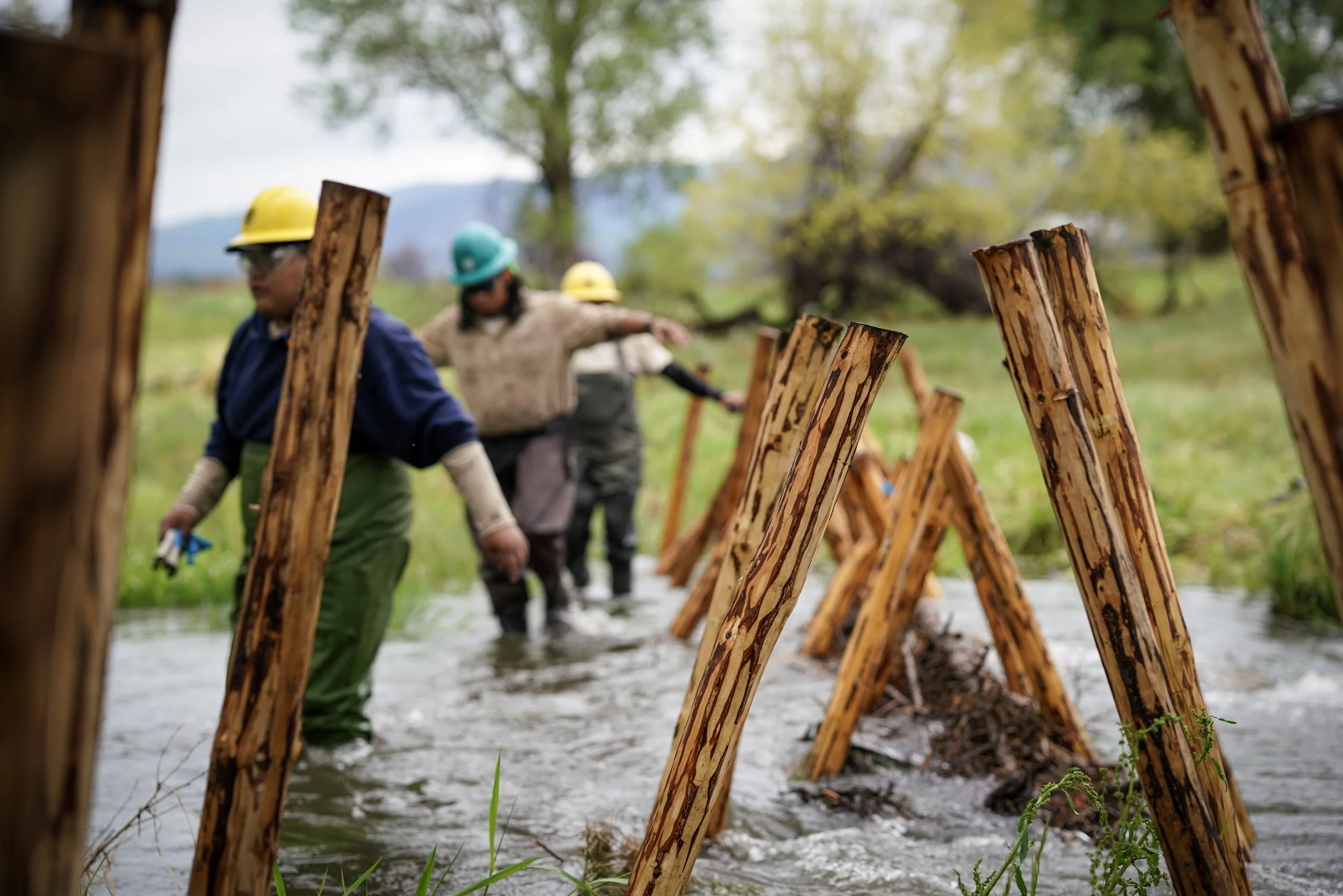
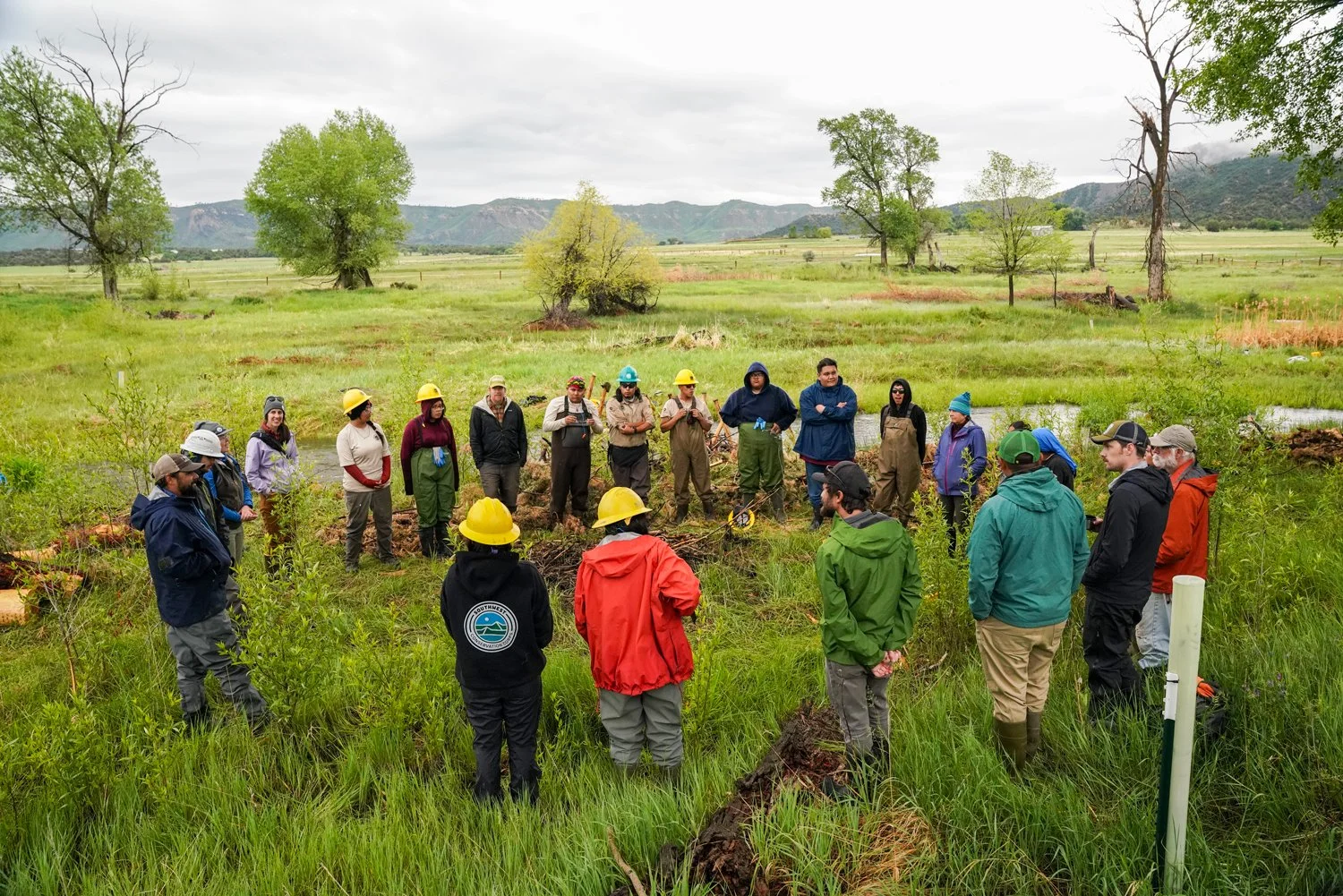
Ute Mountain Ute Tribe (UMUT): In partnership with Montezuma Land Conservancy and UMUT, TWP has supported the Traditional Harvest Project since 2021, which engages Native youth in riparian restoration, cultivation of long-lasting relationships and replanting culturally-important plants within the region.
Northern Colorado
ILP’s newest partnership supports throughout Northern Colorado and Wyoming in bison restoration, opportunities for Native students, and cultural events.
South Dakota
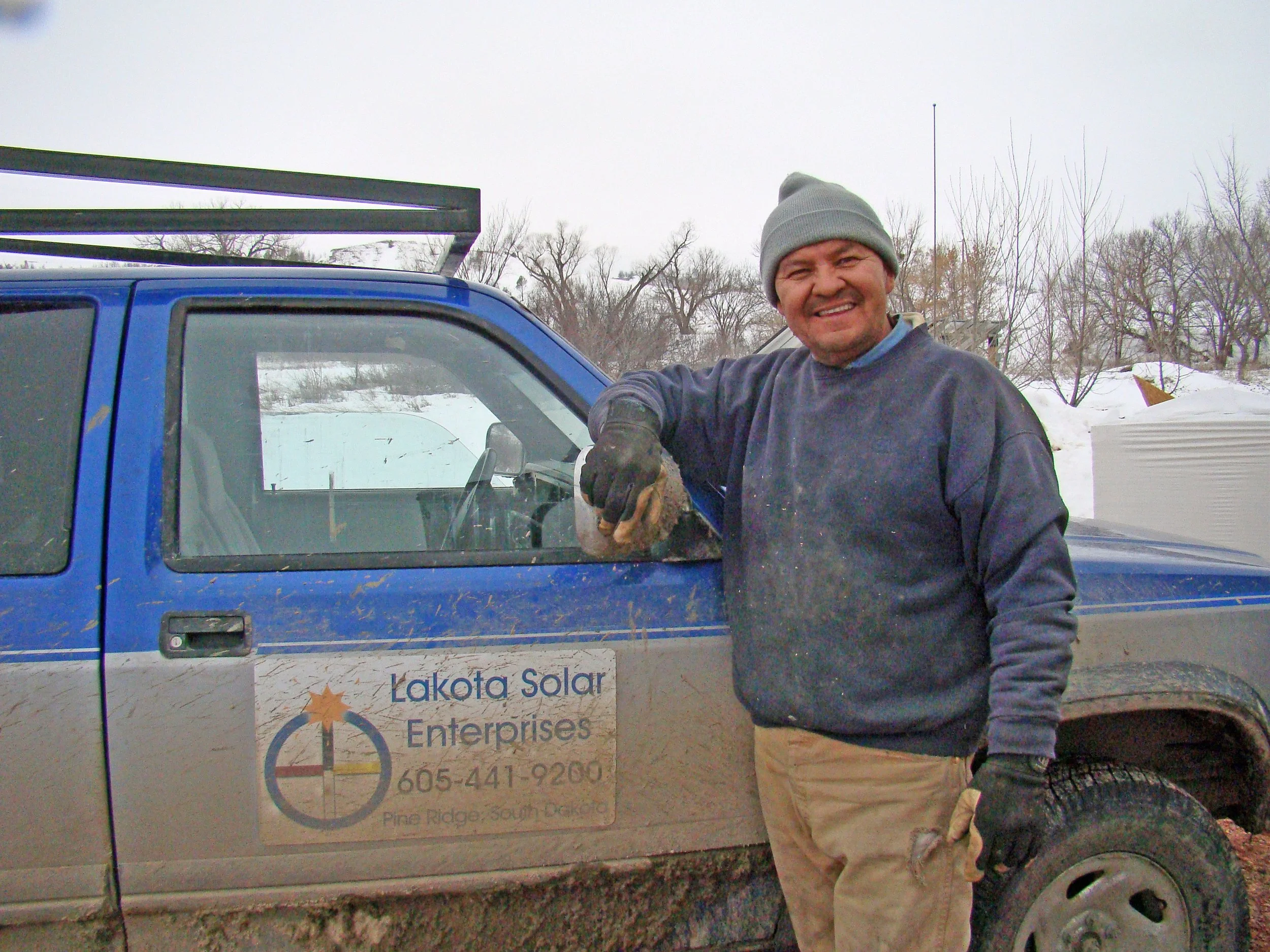
Red Cloud Renewable: Following a 20-year partnership, TWP continues a collaboration with the now well-established Native organization, Red Cloud Renewable, leading solar energy projects throughout the Pine Ridge reservation.
Regional
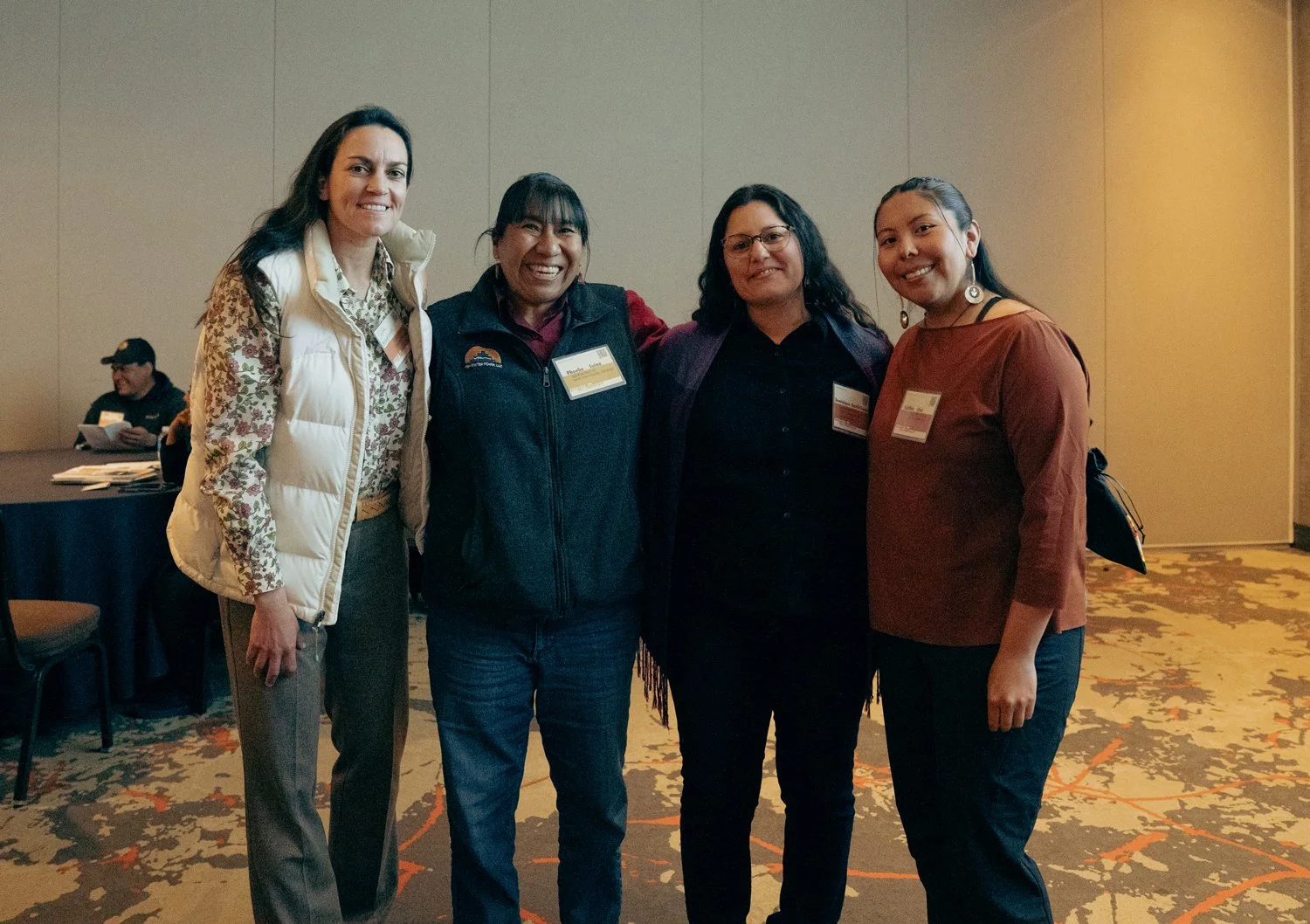
Stewards of the Southwest: TWP leads Stewards of the Southwest, a national network of Indigenous natural resource managers, leaders, and organizations who convene every year through the Stewards of the Southwest Summit.
Contact us
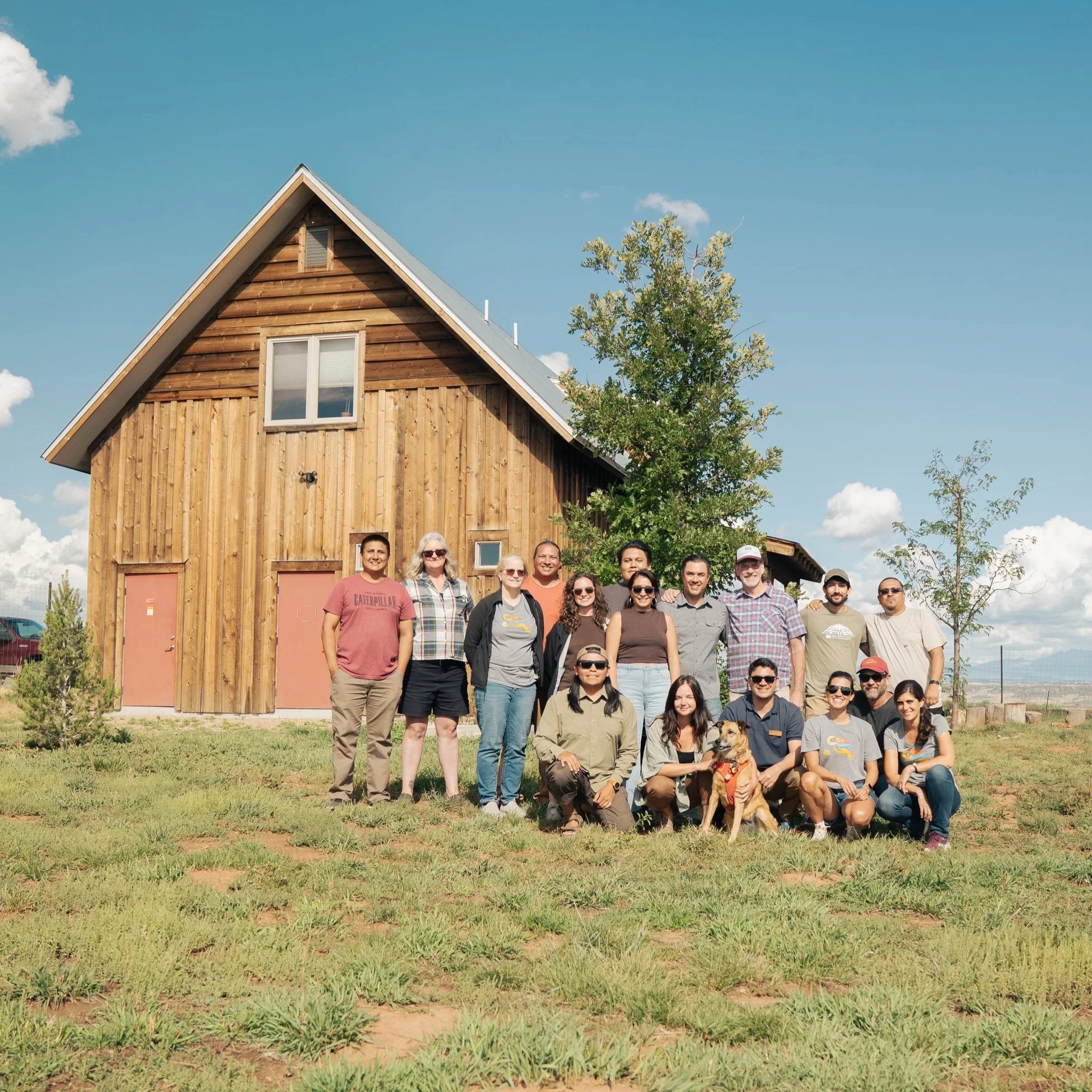
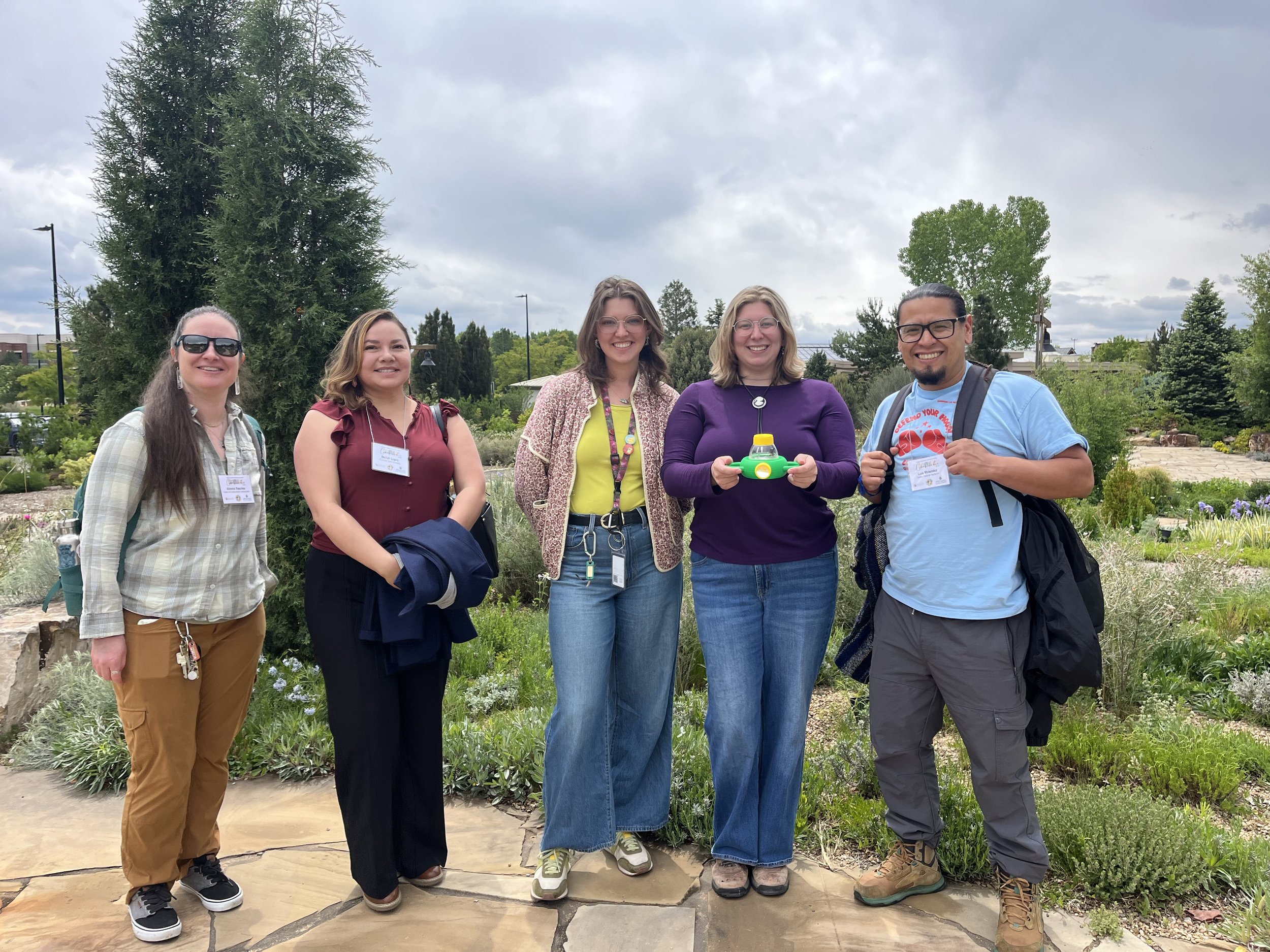
In late August, members of our Indigenous Lands team, alongside local Tribes, had the opportunity to participate in a traditional bison harvest at the Zapata Ranch Preserve.