
In so many ways, managing the interaction of landscapes is about facilitating the interaction of people.
Both require working deeply and thoughtfully across divides.
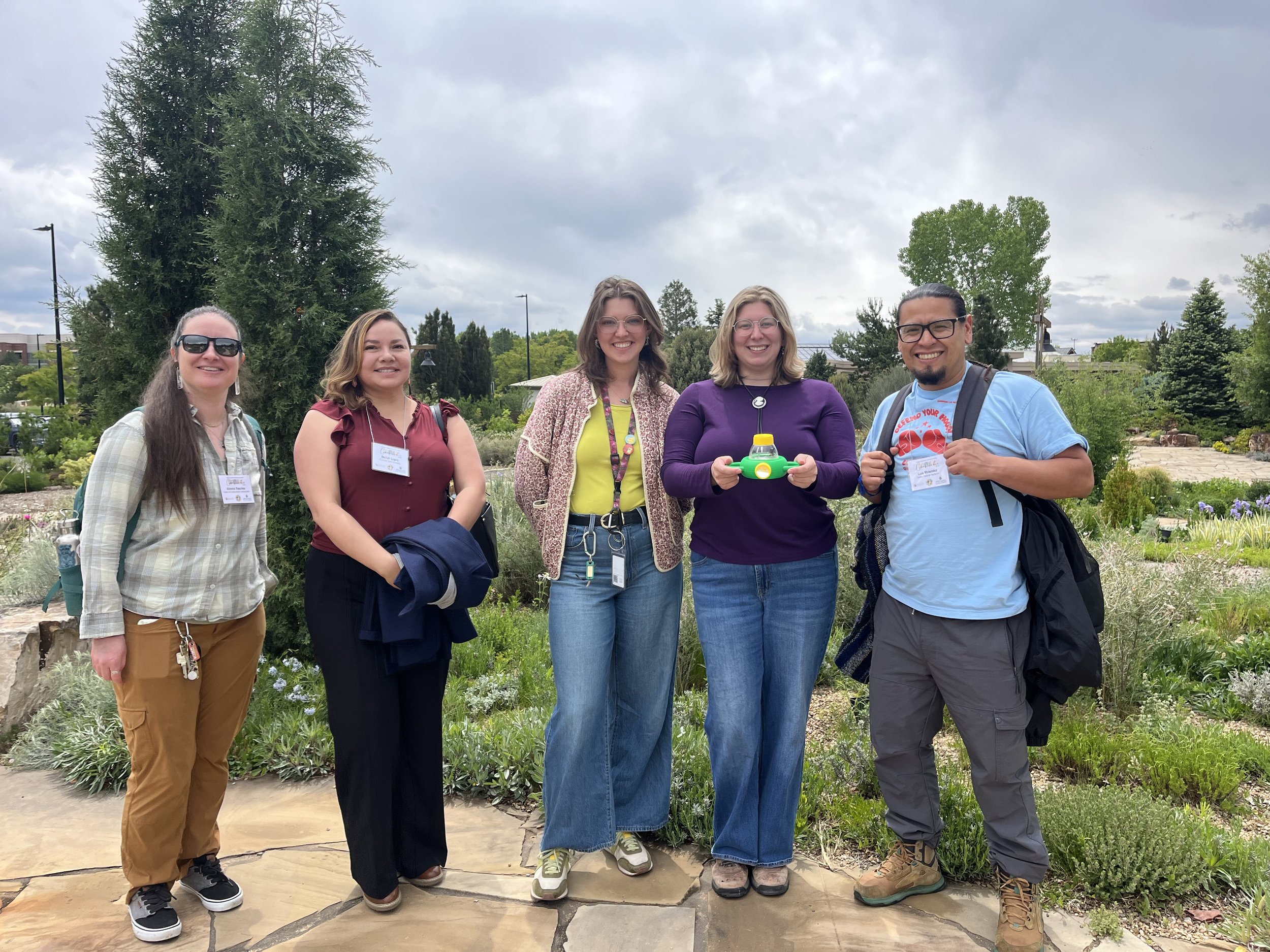
This year’s Confluence conference, led by the Western Collaborative Conservation Network (WCCN), brought this recognition to the forefront.
Trees, Water, & People was honored to lead the conference’s Indigenous Engagement Subcommittee, which sought to increase Indigenous representation in the event. Through an Indigenous scholarship fund, TWP supported the participation of 18 Indigenous participants from Tribes throughout the U.S.
“Living in Los Angeles and participating in the Confluence Conference 2026 was essential for me to see how communities in other states practice stewardship and conservation. I was so happy to see the deliberate efforts made to incorporate Indigenous aspects into the conference. Bringing Indigenous wisdom into these talks is crucial and invaluable when working to preserve Mother Nature. I returned home inspired to improve my initiatives when collaborating with local parks and organizations to create vital green spaces in our urban settings.” - Luís Melendez - Program Coordinator, Centro Cultural Techantit
TWP, alongside other partners, also played an active role in development of conference themes and sessions, ensuring that Indigenous voices were not only present, but centered, within conversations. These sessions focused on the power of Indigenous-led collaborative partnerships, bison conservation and rematriation, and Indigenous leadership in fire and forest management, alongside other themes.
Like nearly every endeavor in the conservation space, these themes require a great diversity of entities, and a great diversity of people, to find shared values, goals, and agreements. As much as science, research, and technical solutions may play a role, climate resilience ultimately relies on us working together. To do so well, though, we have to move beyond “including” Indigenous voices, and move towards ethical partnerships that respect capacity, recognize constraints, and support the genuine leadership of Indigenous communities.
We were honored to be a small part of supporting that vision, and are so grateful for the collaboration of WCCN, Institute for Tribal Environmental Professionals, University of Montana - Center for Natural Resources and Environmental Policy, The Nature Conservancy, Coalitions & Collaboratives, and the many other partners who helped make Confluence 2026 possible.