

FORESTS FOREVER
Fall 2026 • Trees, Water & People Newsletter
A Letter from Sebastian Africano, Executive Director
Dear friends of TWP,
Recently, at a Trees, Water & People (TWP) film screening about river restoration in the southwest, a colleague who works in hydrology said, “to fill Lake Mead and Lake Powell would require 20 consecutive years of 200% snowpack in the Colorado River watershed.”
That struck a chord.
These massive reservoirs are currently at about a quarter of their capacity, and are the most visible indicators of the extraordinary drought affecting the southwest.
This summer came with persistent stretches of hundred degree days and smoke from major forest fires in the west. Frankly it had us a bit stir crazy in Colorado, and I know we aren’t alone.
But in some ways, when wildfire smoke stretches into areas that don’t normally experience it, I see it as an opportunity. People who maybe haven’t thought about the implications of climate change are suddenly forced to grapple with it.
When someone in New York, or Philadelphia, or Washington DC suddenly wakes up with a scratchy throat, itchy eyes, and eerie orange sunshine in their
home, it gives us an opportunity to talk about declining forest health in the west, stewardship by local Indigenous people, and the importance of smoke free homes in Central America.
Our cookstove program has helped free millions of people that cook with firewood from smoke that pollutes their homes. The air quality during major smoke events is what it feels like to cook a meal in a Honduran home with a traditional stove. Our stoves cut firewood use by 50% too - protecting forests and reducing a family’s expenses.
All this is a reminder that we can’t stop talking about
and acting on climate threats. Risks of mass migration,
water insecurity, extreme weather events, and persistent
hardship are rising daily, and TWP won’t stop working on
these issues.
Thank you for helping us carry the load - we need all the help we can get.
Sebastian Africano
Executive Director
Shaping the Future of Fire
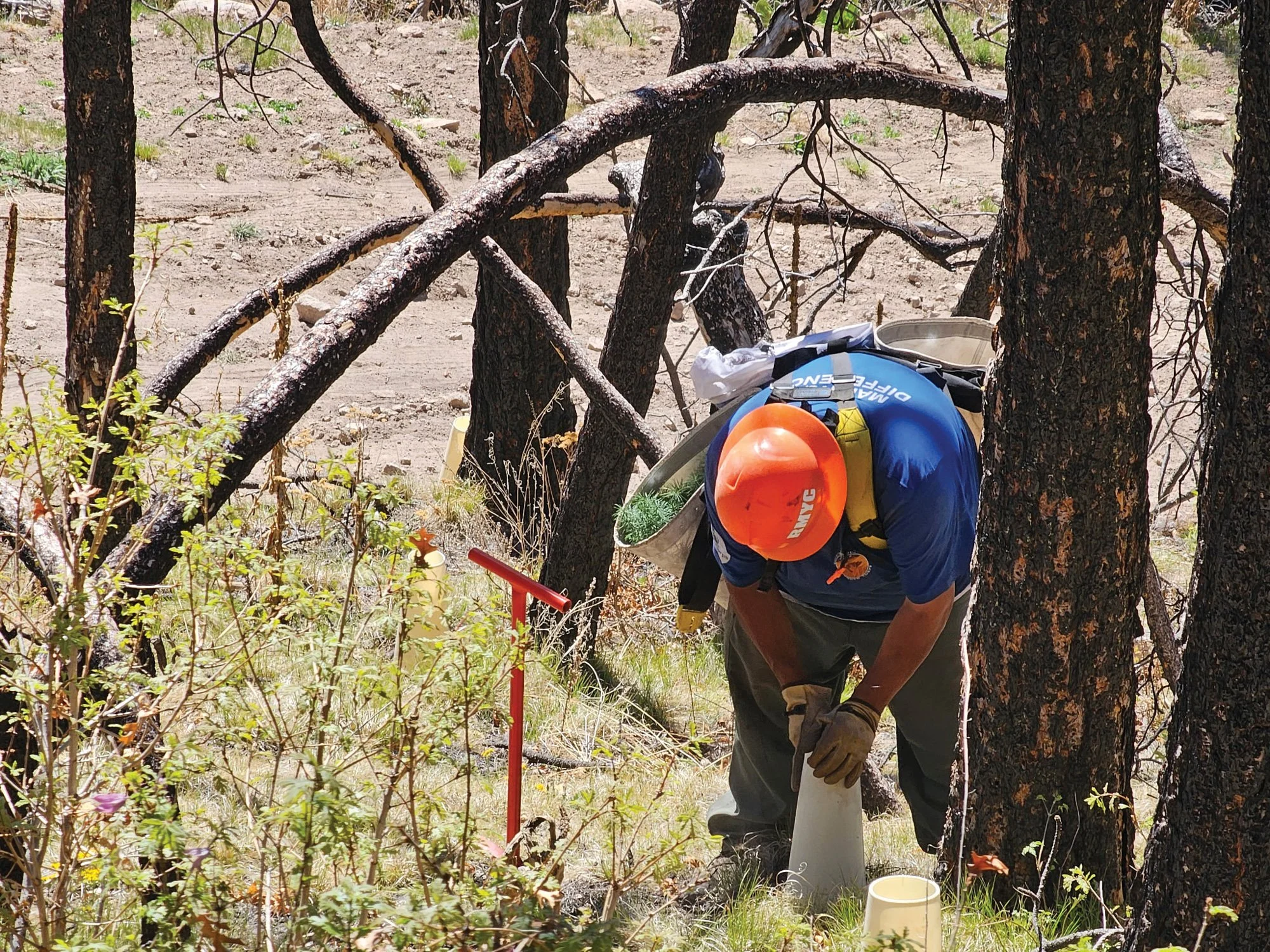
Native youth from the Rocky Mountain Youth Corps (RMYC) participate in reforestation efforts in Cerro Pelado.
In the Spring of 2022, the Cerro Pelado fire burned more than 45,000 acres in the Southern Jemez Mountains of
New Mexico.
This was just one of the many widespread wildfires that have damaged ancestral lands and watersheds, vital not only to local Pueblos but to countless other communities downstream.
There is a long way to go, and there are countless other areas in need of restoration, but we’re proud to be making steady progress in reforesting the Cerro Pelado burn scar. Part of a multi-year effort to plant 45,000 trees in the area, we’ve supported Native youth from the Rocky Mountain Youth Corps (RMYC) in Cerro Pelado reforestation efforts throughout this year. Crews planted 2500 ponderosa pine and douglas fir seedlings across 15 acres this spring and are planting another 10,000 seedlings in October.
The spring hitch was originally cancelled due to dry and hot conditions, which strongly affect seedling survival, but much-needed rains made planting viable. This was a stroke of luck, but going forward, the conditions that make fires even more severe will also make post-fire restoration more difficult. The ability to adapt and respond when conditions change is crucial.
Following an unprecedentedly dry and warm winter, megafires like these across the West are burning hotter and
longer, and the need for post-fire restoration is growing as resources to support it are declining.
Snowpack in New Mexico this spring reached historic lows, and many other Western states, including Colorado,
experienced the warmest winter and lowest snowpack in recorded history. We’re already seeing the impacts of
those conditions as the Frijoles fire burns tens of thousands of acres near Sante Fe and smoke blankets the West.
This context is incredibly challenging, but not hopeless. As we’ve seen time and time again, with enough support, there are ways to help land and communities heal from megafires while also building resilience for those yet to
come. Even more than from restoration, that resilience will come from helping reconnect Indigenous youth,
Indigenous leaders, and Indigenous knowledge to management of the forests we all rely on.
In many ways, the wildfires we experience today are a result of decisions made before us – decisions that separated people, forests, and fire.
But that also means the forest stewardship decisions we practice today will be felt by the generations after us.
Let’s shape that future wisely.
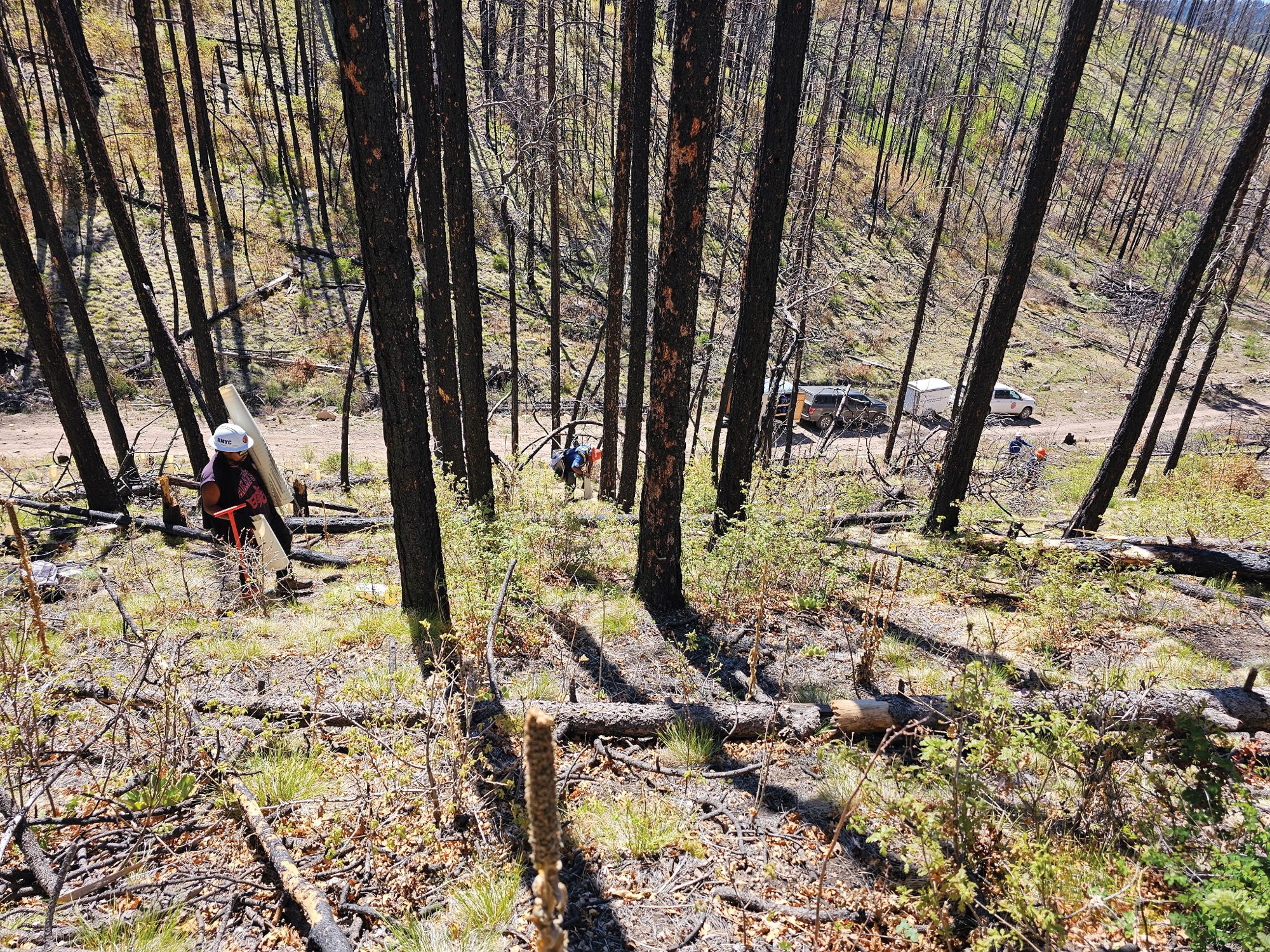
Crews planted 2500 ponderosa pine and douglas fir seedlings across 15 acres this spring and are planting another 10,000 seedlings in October.
Lo COMUNAL
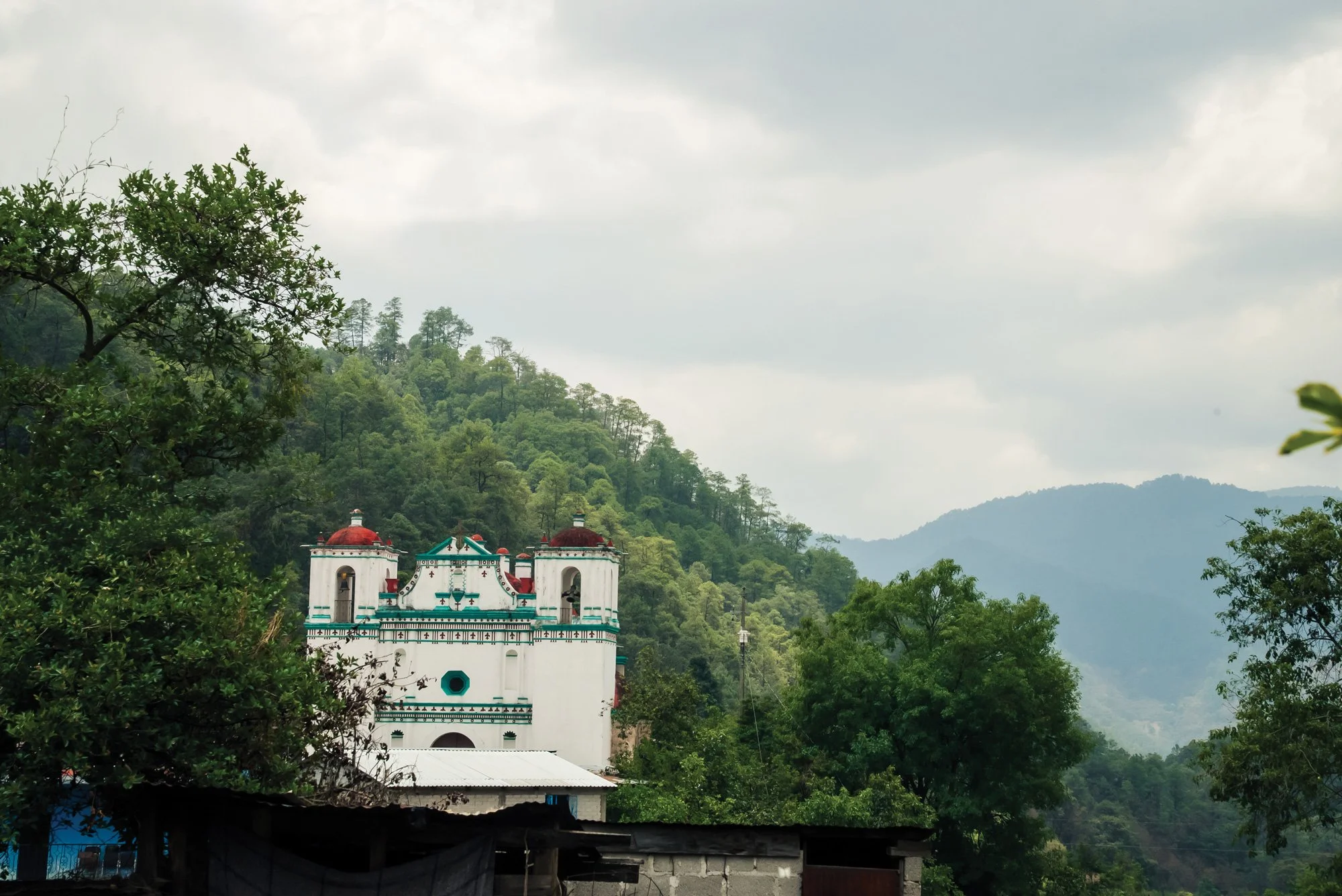
Mexico holds a greater percentage of communally-owned land than any other country in the world.
More than half of the country’s total land area, and two-thirds of forest lands, are held collectively by ejidos and other rural and Indigenous communities. This is a strong example of collective land rights – and holds huge potential to demonstrate sustainable, community-led forest management – but it still comes with many challenges.
Rights are foundational, but don’t always come with resources. Facing a context of inequality, lack of work opportunities, and declining government support, many communities are still working to build sustainable livelihoods alongside, and from, the forests they manage.
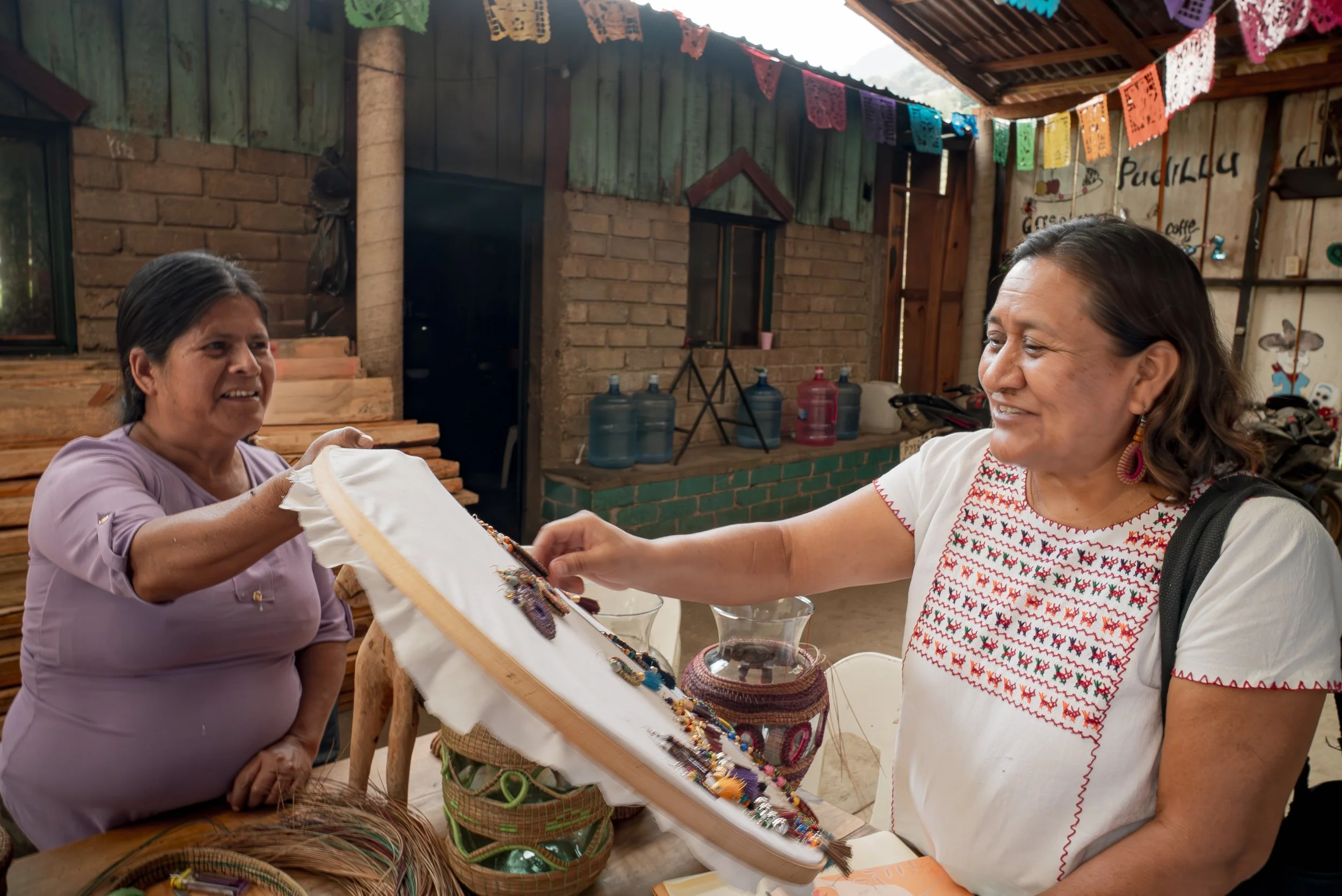
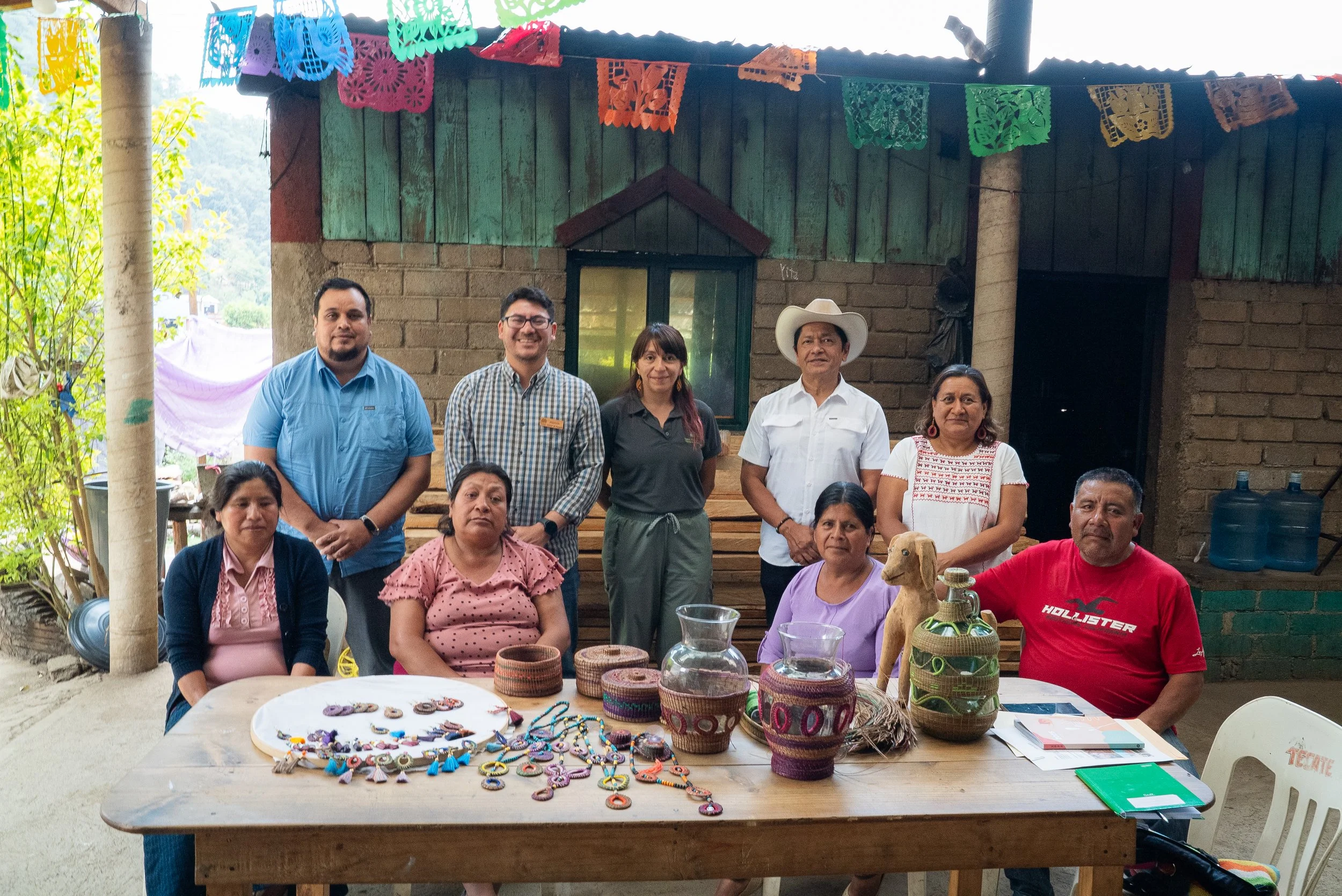
San Andrés el Alto, in the pine forests of Mexico’s mountainous sierra region, is one of these communities. This year, alongside our local partner, Red MOCAF, we supported 20 women in the artisan group of San Andrés el Alto, who create art and handicrafts – including jewelry, baskets, and many other products – from pine needles, locally known as ocoxal. Our support provided training, equipment, and access to regional markets, which these artisans are using to create a steady source of income that sustains both their families and their forest stewardship.
In the neighboring pine forest of San Pedro Jaltepentongo, we also worked with Red MOCAF to help a local ejido restore deforested lands. This summer, they planted more than 30,000 native pine seedlings across 30 hectares damaged by illegal logging, agriculture, and other pressures. Lack of water is one of the biggest challenges threatening this community, and they’ve focused heavily on reforestation with the recognition that the health of their communal forest is a foundation of their water security.
For both of these communities, their ability to continue stewarding their forests rests on their ability to sustain themselves while doing so.
We hope to not only help them overcome challenges, but to support them in showing that Indigenous land rights, stable communities, and thriving forests mutually benefit one another – continuing a legacy that was planted long before us, and will grow long after us.
A Cause for Convening
At our partner exchange this year, we met a Nicaraguan leader who was exiled after advocating to protect her community from a mine.
Over lunch, casually, she shared something we’ll never forget.
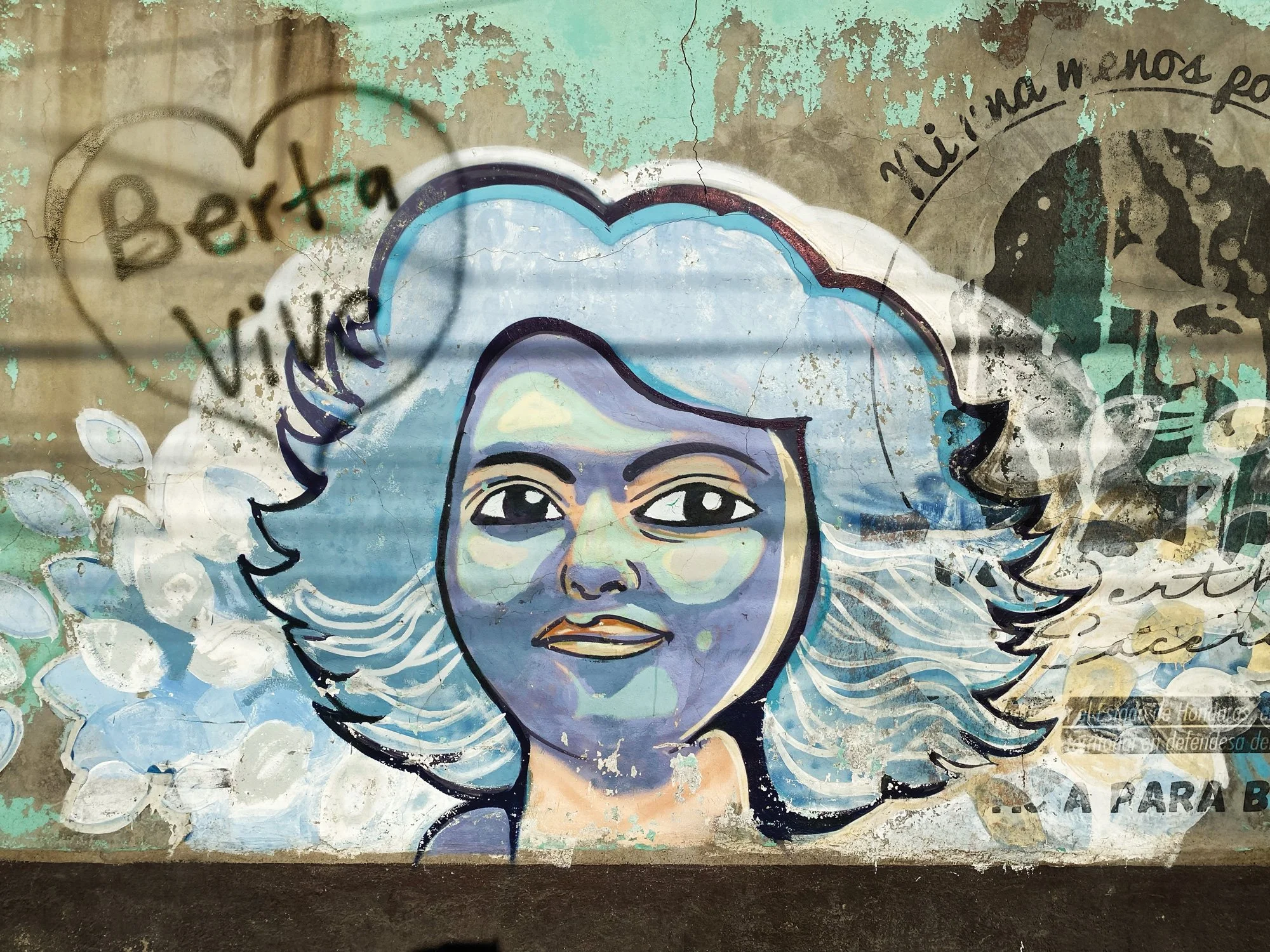
Over ten years ago, in 2015, she had met the well-known environmental activist, Berta Cáceres, at a similar community exchange in Nicaragua – just a year before Berta was murdered for her activism.
But as this leader told us, her own activism in the decade since has been deeply inspired by that single opportunity to meet Berta.
Moments like these remind us of something that’s nearly impossible to capture.
While we’re proud of nearly 100,000 trees planted, 150 jobs supported, and many other outcomes this year, we’re even more proud of the efforts that we’ll likely never see the direct result of.
We’re proud to have brought together hundreds of grassroots organizations from across Mesoamerica to share strategies for strengthening their communities and protecting their territories.
16 grassroots organizations and 162 community enterprises participated in organizational strengthening programs and/or exchanges.
We’re proud to have organized one of the only spaces by and for Indigenous land managers in the American Southwest to forge the future of Indigenous-led stewardship.
174 land managers representing 23 Pueblos and Tribes gathered at the 2026 Stewards of the Southwest Summit.
And we’re proud to see our long-term partners grow into leading organizations, like Red Cloud Renewable, who earned a multi-million dollar partnership to expand solar energy across Pine Ridge, and Utz Che,’ who was awarded the Presidential Medal of the Environment in Guatemala.
Ultimately, our end goal is not just planting trees or installing stoves. It’s building the capacity of local communities to continue doing so long after we’re gone.
Berta Cáceres’ story was high-profile, but there are thousands like her whose names the world will never hear. We’ll continue supporting spaces for them to come together, share what they’ve learned, and strengthen their own communities and causes by doing so.
You never know who could be talking about it 10 years later.
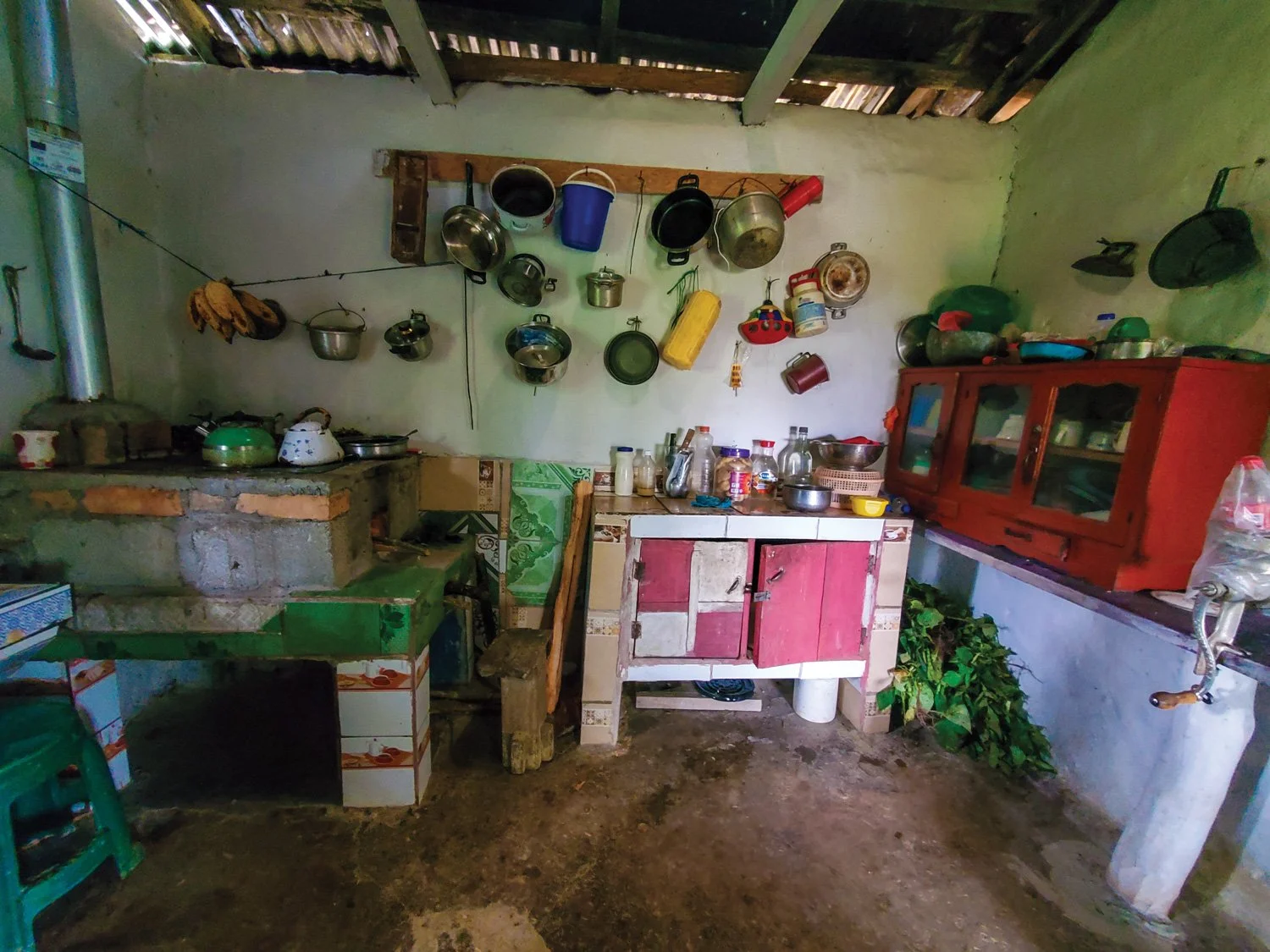
THE LIFE-CHANGING JUSTA 3D COOKSTOVE
By Elisa Berrios, Advertising, Communications and Marketing Specialist, AHDESA
Breathing smoke from burning firewood and spending money every day to obtain it was part of the daily life of Eula Ortéz, a 71-year-old woman from the community of Bañaderos, Honduras.
She has a large family and cooking was not only laborious, but an economic challenge. Doña Lala, as her neighbors affectionately call her, is the mother of 12, grandmother of 40, great-grandmother of 11, and great-great-grandmother of one. For years she used traditional stoves that consumed enormous amounts of firewood.
“Before, 50 sticks of firewood would only last me two days to cook.”
Today, thanks to the construction of the Justa 3D Improved Stove, that same amount of firewood lasts more than a week.
“With this new stove we cook better, it heats more and we spend less money, because even though I live in the mountains, good firewood has to be bought.”
The Justa 3D Improved Stove has also become an important tool to improve health inside the home.
“Before, the smoke made it hard to even see in the kitchen and the smoke is why I used to get sick a lot, but now I can relax.”
The design of this stove reduces the smoke that is emitted into the environment, creates financial savings for families, and keeps trees in the forests.
With decades of experience, Doña Eula sends a clear message to the new generations about the use of the Justa 3D Improved Stove:
“Yes, it works. This stove is a great help to save money and take care of our health.”
1,642 improved cookstoves installed from March 2025–2026
32,840 trees kept in local forests
8,210 people with 75% reduction of smoke in their home
$1,970,400 saved by families on purchase of firewood
18,062 metric tons of CO2 not emitted into the atmosphere
Heal the Planet Beyond Your Lifetime
Join The Canopy — A Planned Giving Program
The problems that we work on at Trees, Water & People (TWP) are centuries in the making and will likely outlive all of us.
We design our programs with future generations in mind. If the problems will outlive us, the solutions must as well.
The Canopy helps you commit some of the assets you’ve built over time to TWP’s mission of improving lives for those who will care for the earth after us.
We’ve built something special together over decades, and we’ve got decades more work to do.
Scan this QR code to schedule time with Sebastian to talk about your vision for people and the planet through TWP’s Canopy.
Donor-advised funds can support communities through the hard times.
Those times are now.
A grant from your DAF will make a bigger difference than ever, sustaining our momentum towards stable communities and healthy landscapes.

Today is the third annual Donor Advised Fund (DAF) Day, but what exactly is a DAF? Why is every nonprofit talking about them? And… should you get one?