
El Asintal
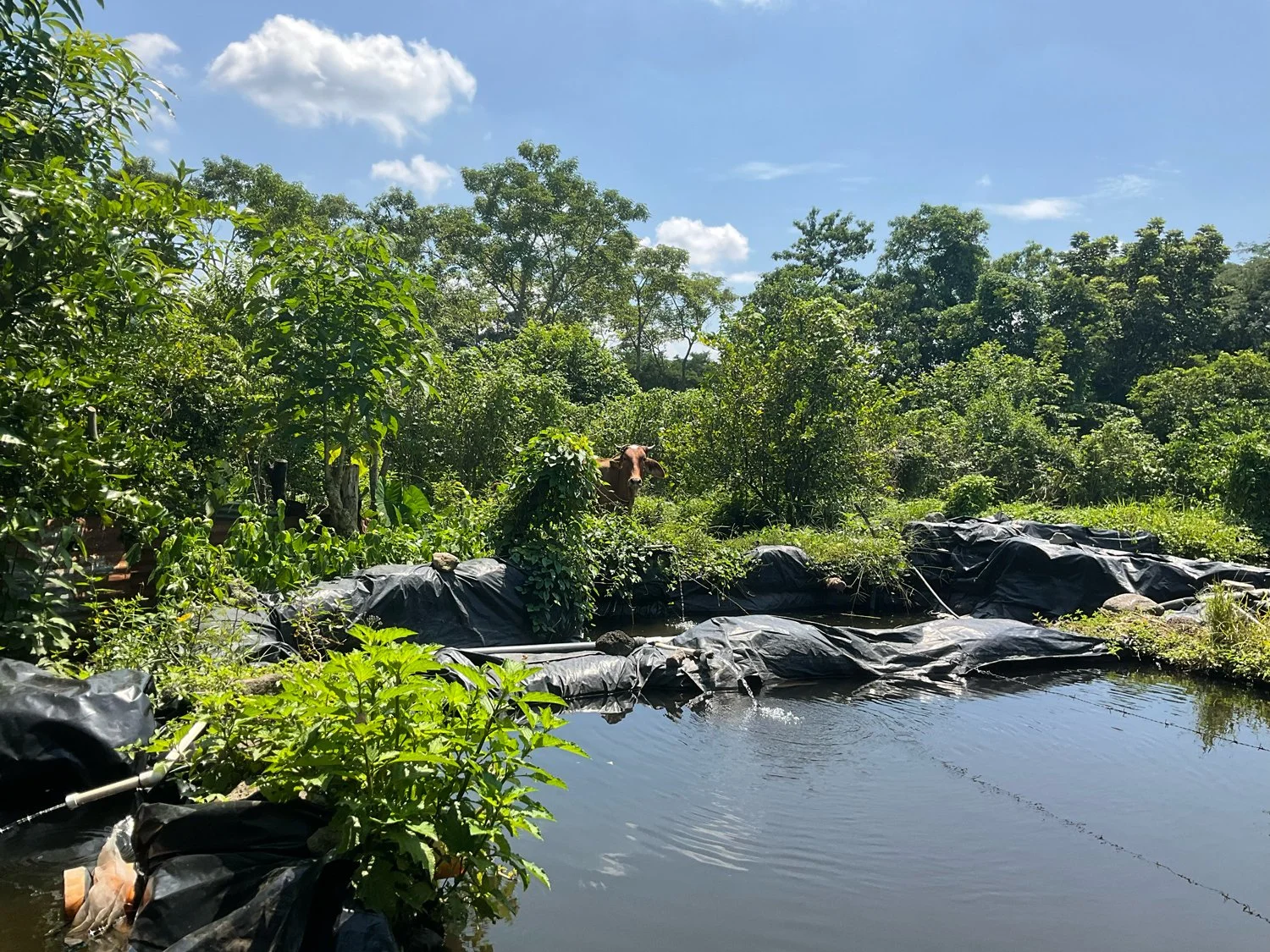
When the 110 families of El Asintal resettled in Guatemala, they arrived home to a near-empty plot of land, with scarce resources to rebuild.
Like many Indigenous communities in the region, these families were displaced amidst Guatemala’s violent civil war. The government’s designation of lands for resettlement in the early 2000s was an opportunity to return home, but not without significant debt and great hardship.
Today, more than 25 years later, this community’s resilience, ingenuity, and profound commitment to their lands has changed the course of their story.
El Asintal community members began their collaboration with our local partner, Utz Che’, in 2006, and through the decades, have rebuilt foundations of environmental stewardship, sustainable livelihoods, and long-term rootedness.
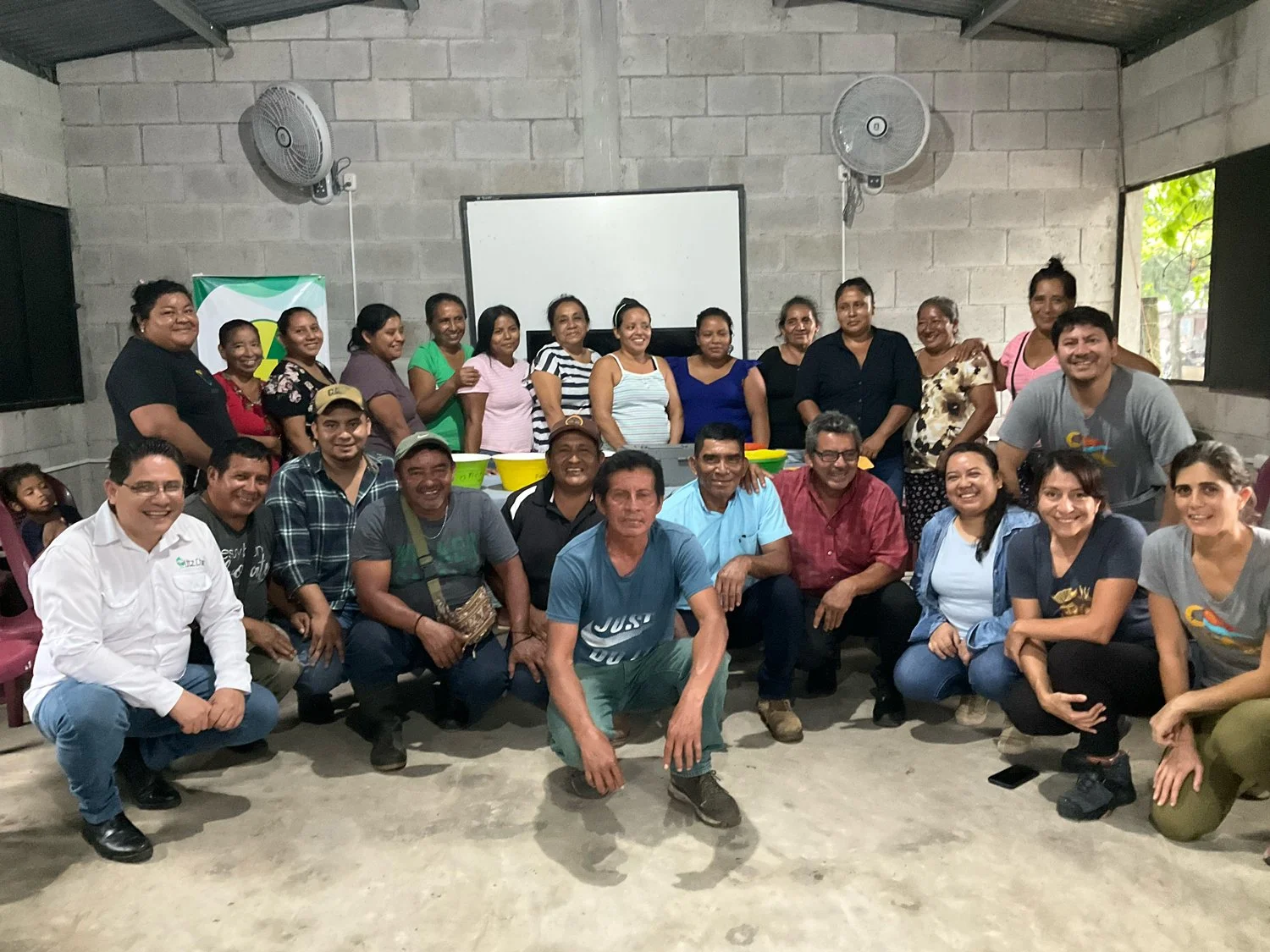
However, agrarian debt and unstable land tenancy have historically been significant barriers to economic inclusion and stability; with years of support from Utz Che’ and TWP, the community successfully renegotiated their agrarian debt, paid it in full in 2025, and gained full title to their land. This legal standing provides the community access to Guatemala’s forest incentive programs, which are key to sustaining their forest protection and management efforts. Now, the community is compensated for the vital role they play in protecting forests and watersheds, and their territory is better protected from extraction and land theft.
This funding, and continued collaboration with Utz Che’, has also significantly strengthened their management capacity; the community has installed camera traps in their forest to identify and monitor key species, and is building fire breaks to protect the area from future forest fires.
In addition to forest management, families are building a sustainable local food system through participation in Utz Che’s Sustainable Family Agriculture Program. By establishing agroecological home gardens, planting fruit trees, and establishing chicken and tilapia production farms, families have strengthened food security and are increasingly selling these products through their own cooperative.
Building on a program promoted by Utz Che’ and TWP, more than 100 women in El Asintal have also formed their own savings and lending program. Pooling small investments of each participant over time, this community-led system allows women to take out small loans, greatly increasing their financial autonomy, and supports reinvestment of funds into community projects.
All of these outcomes are the reasons we do what we do at TWP.
And none of them would have been possible without long-term commitment, flexible funding, and a belief in the leadership of local communities.
El Asintal, and so many others, have invested their lives in rebuilding their communities and sustaining their lands – it’s our responsibility to walk alongside them.