
After years of collaboration between our Indigenous Lands Program and local collaborators, we are proud to be concluding implementation of the County Road 39 Traditional Harvest Project in Southwest Colorado.
While we will continue to complete biannual evaluations of the area and are working to expand the effort regionally, the County Road 39 project focused on riparian restoration and planting of native species along 3 private properties on the Mancos River.
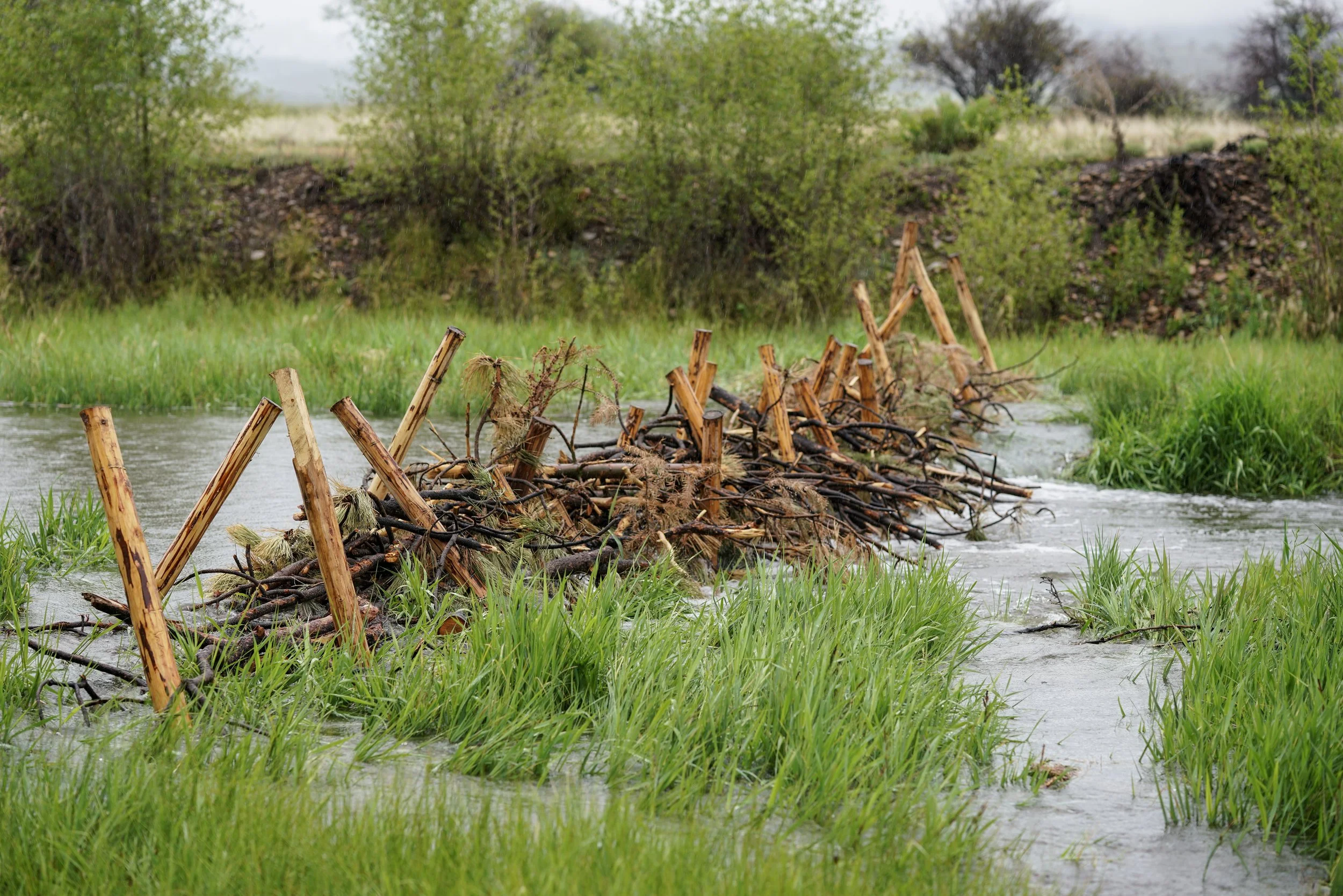
Over the past two years, the project included construction of 52 Post-Assisted Log Structures (PALS), made entirely of natural materials, which allow water to permeate the nearby flood plain and restore habitat for native species. Native youth crews from the Ancestral Lands Conservation Corps and Southwest Conservation Corps, alongside local volunteers, also planted more than 600 culturally-significant plants – including willow, sage, mint, cattails, chokecherries, buffalo berries, cottonwood, and sumac – and seeded 2 acres of eroded land along the river corridor.
These outcomes were made possible by a unique collaboration between TWP, Montezuma Land Conservancy (MLC), Ute Mountain Ute Tribe (UMUT), and other local partners that facilitated restoration and Tribal access along private stretches of the Mancos River. As well as increasing availability of culturally-significant plant species, the project supports the Ute Mountain Tribe’s access to their ancestral lands.
“One of the most important aspects of this project is rematriation, you know, the people getting back out on the land and being able to be in the historical and traditional homelands of the Ute people… One of the things over the years that I have been able to observe is how we, as Indigenous people, overall, don't get out to our historical, traditional territories to move, to collect, to live, even just to visit. And so I feel it's very important for us to reconnect with these places. This project provides a reason for us to reconnect, to see some of the vegetation that was traditionally and culturally relevant.” - Regina Lopez-Whiteskunk, MLC Cross-Cultural Programs Director
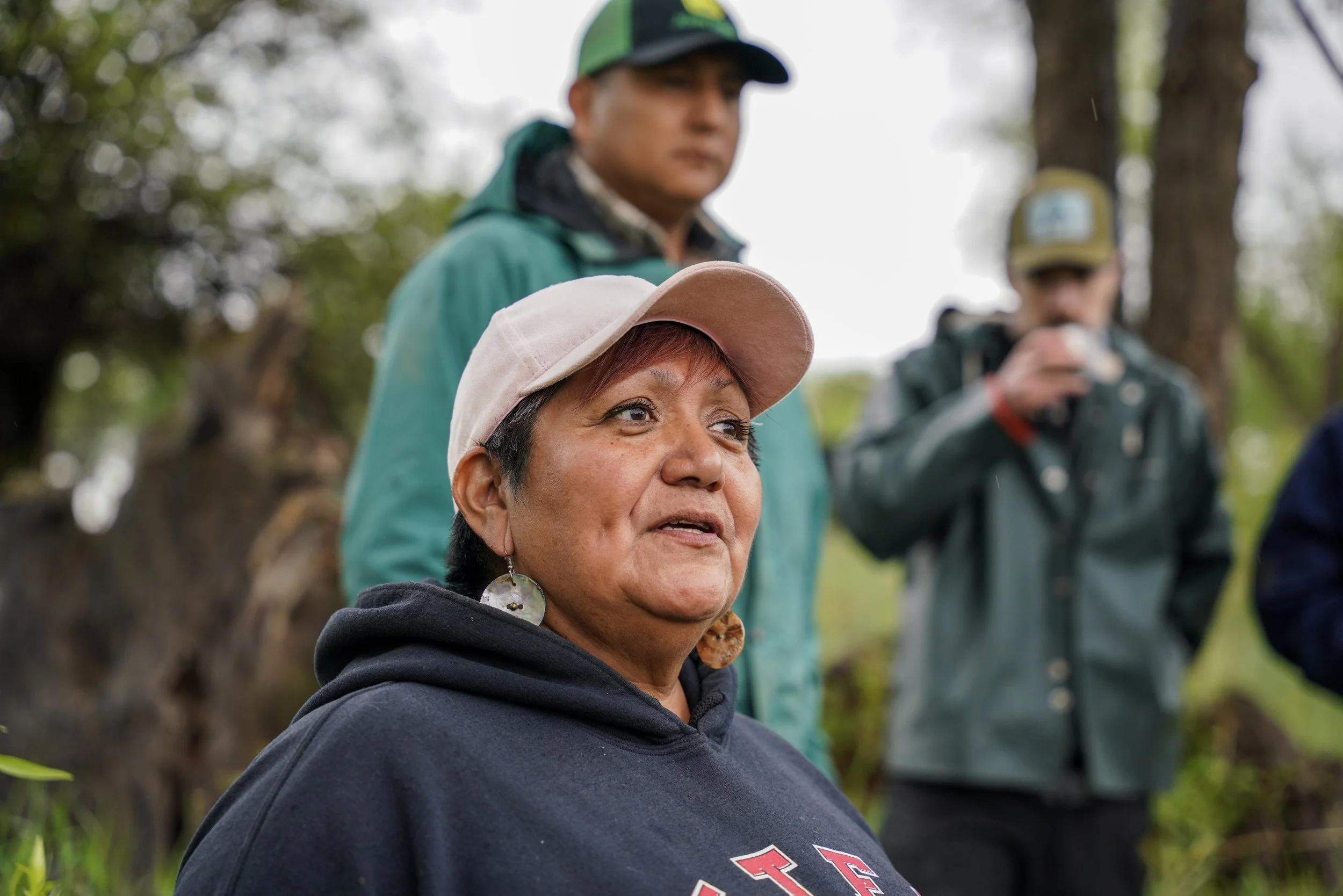
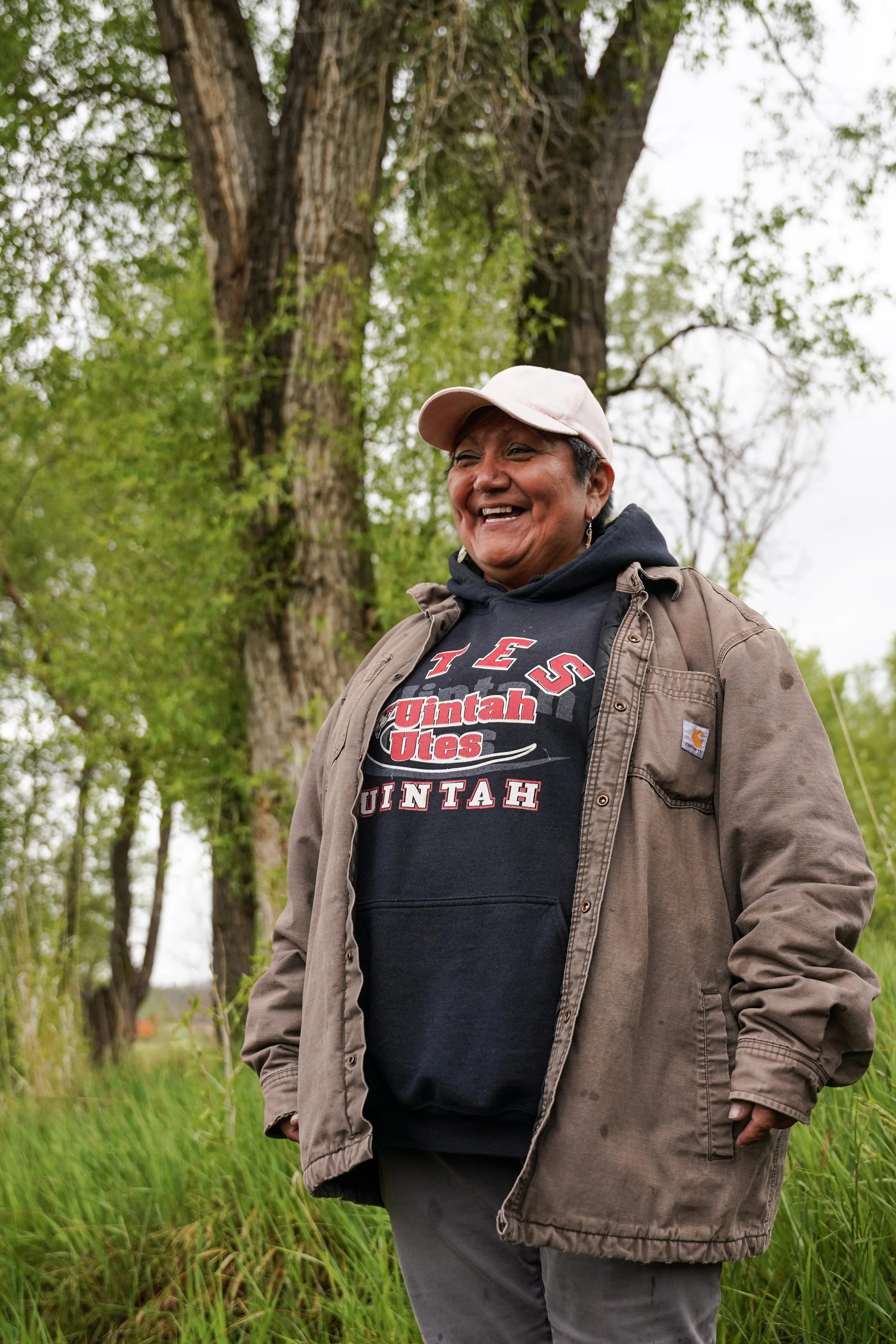
The Traditional Harvest Project has brought dozens of volunteers, local school groups, and youth crews to their ancestral territories, and created spaces for youth to connect to and learn from UMUT elders.
As other groups have already expressed interest in implementing similar initiatives, the project also holds great potential as a model for collaboration between Tribes and private landowners across the Southwest.
Through so much of our work, we’ve found that land starts to heal when relationships start to heal.
And relationships take time, humility, and plenty of hard work.