
Protecting Pueblo Lands
Fencing isn’t often the first thing to come to mind when we think about conservation.
But working from the local level continues to teach us that different places need different things. Some may need connectivity, some may need protection.
Over the past several years, our Pueblo partners in New Mexico have repeatedly brought forward the need to protect Tribal lands as a necessary foundation for continued conservation work. Areas of their land without adequate protection have been open to cattle and other feral animals, which degrade the soil, reduce presence of native plants, and contaminate water sources, and unfenced boundaries have also been more vulnerable to illegal trespassing, which threatens significant archaeological and cultural sites.
To successfully implement and maintain reforestation projects, native plant regeneration initiatives, and traditional rangeland management practices, Pueblos have first needed to attend to the physical protection of their lands.
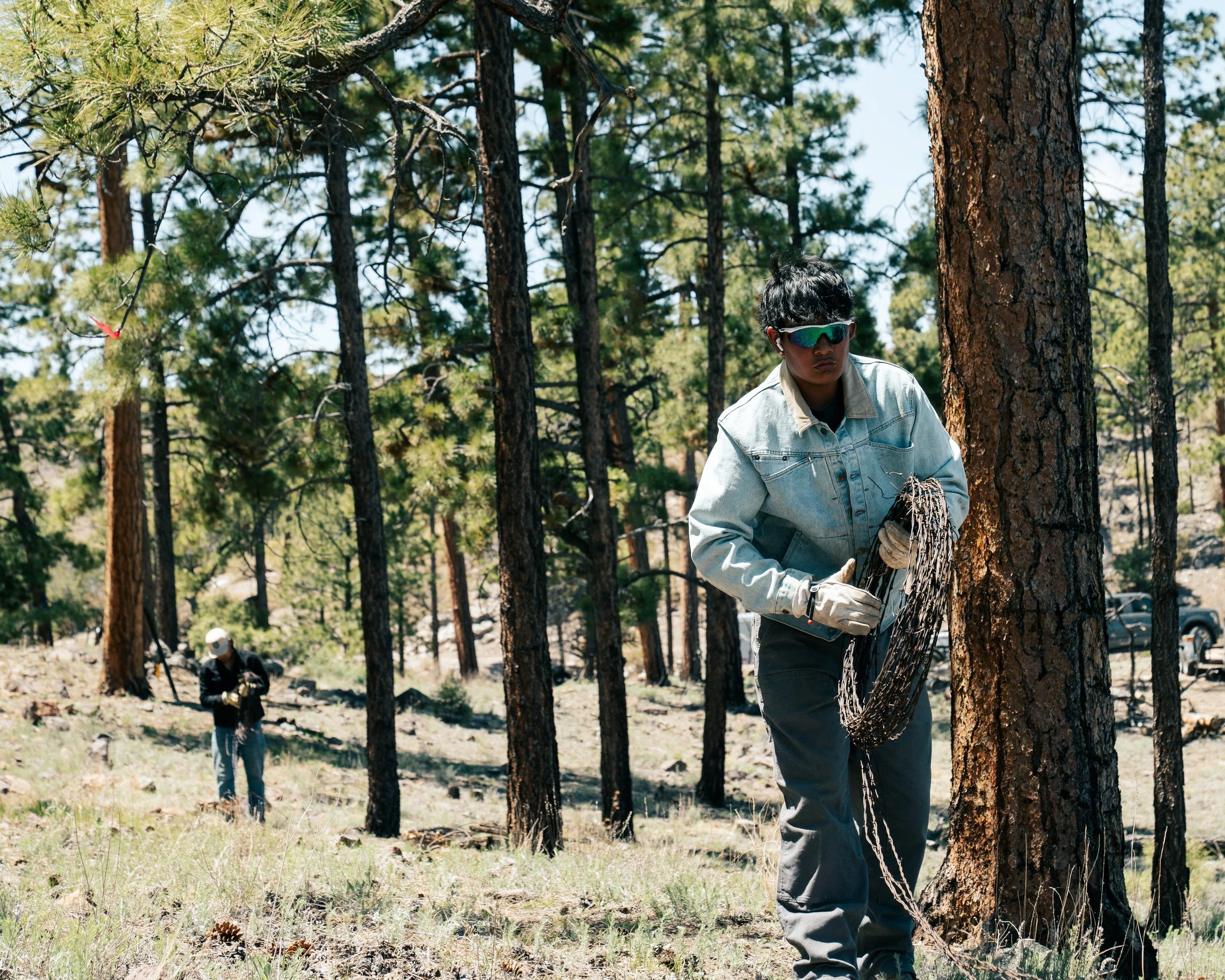
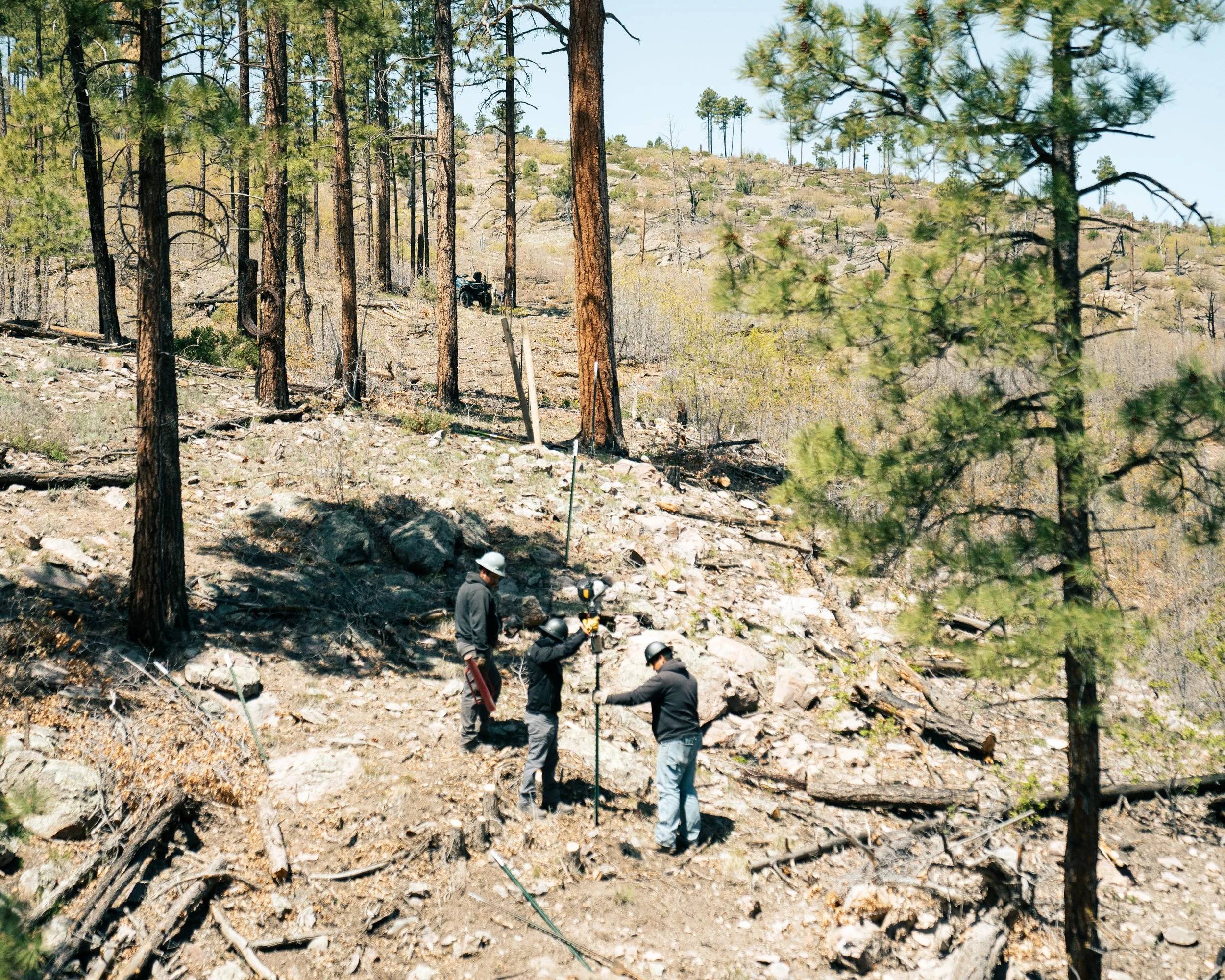
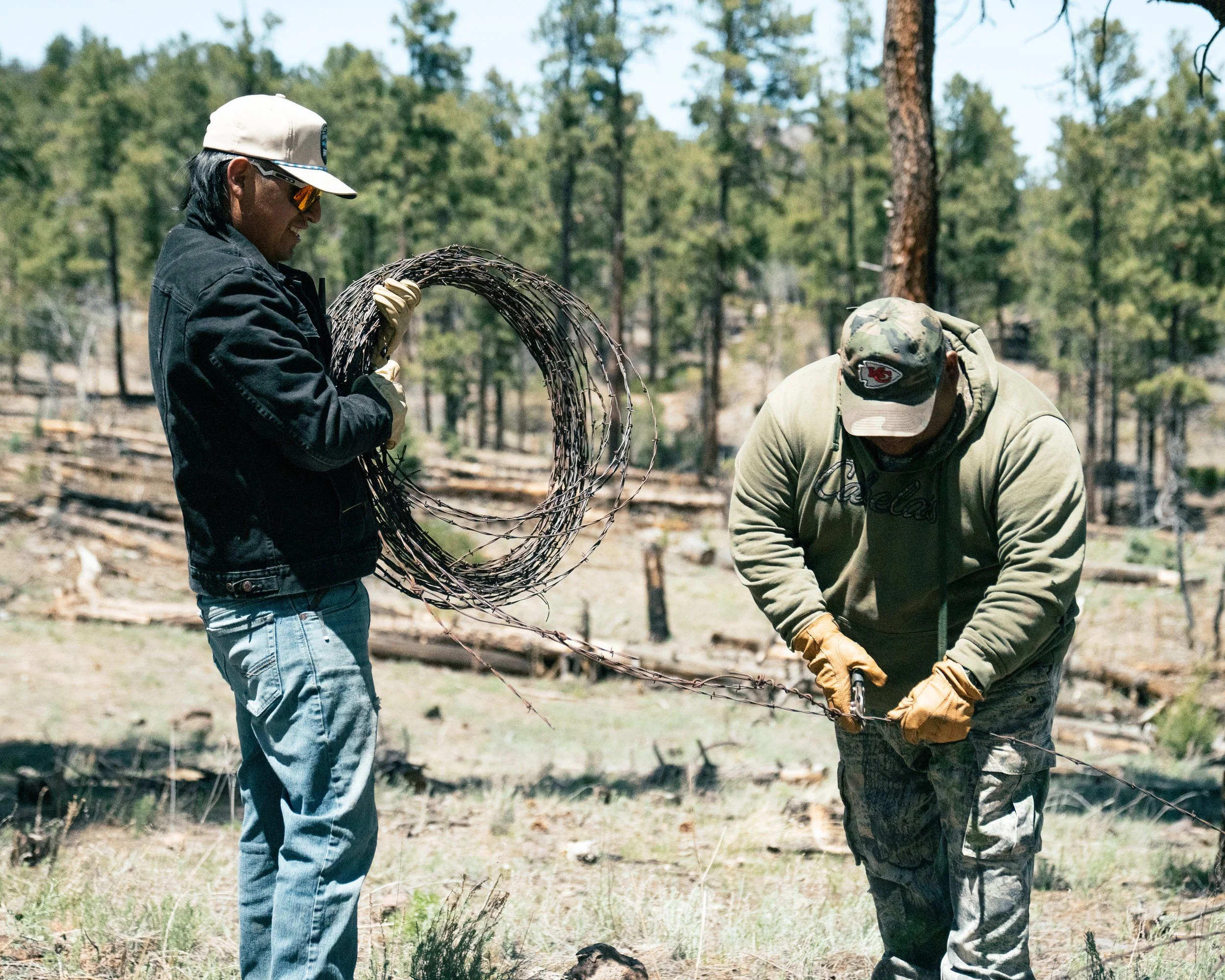
With this recognition central, we’ve collaborated with the Tri-Pueblo Coalition since 2024 to construct 8 miles of fencing along vulnerable sections of Pueblo borders to public lands. By removing remnants of old barbed wire and installing a sturdy, wildlife-friendly fence, the project allows deer and other wildlife to pass freely while better protecting the area from cattle and trespassing. With the support of TWP, Bureau of Indian Affairs and the Nature Conservancy, the Tri-Pueblo Coalition and youth corp crews installed the fencing, providing local employment opportunities and connections to their lands.
At TWP, we’ve always believed local people should be the ones who most benefit from the work. For that to happen, local people must be able to decide what the work is, even if it brings us in directions we didn’t always expect.
Supporting Indigenous-led conservation is hollow without supporting the infrastructure and resources Tribes need to protect their sovereignty.
As much as we can think of fencing as a boundary, we can also think of it as a point of connection, which rests on collaboration, agreement, and shared commitment to a future of stewardship.